Why Does Mulch Smell So Bad? What’s Causing It and How to Fix It

TL;DR
- Bad-smelling mulch is caused by anaerobic decomposition, a process where organic material breaks down without oxygen and releases hydrogen sulfide, ammonia, and acetic acid gases.
- The smell is most common in bagged mulch that was piled or sealed while still wet, cutting off airflow during storage.
- Fresh wood chip mulch, dyed mulch, and triple-ground mulch are the most likely offenders.
- Spreading mulch thin and letting it air out for 24-48 hours before use eliminates most odor.
- A strong sulfur or vinegar smell (“sour mulch”) can also harm or kill plants if applied directly without airing out first.
What Makes Mulch Smell Bad in the First Place
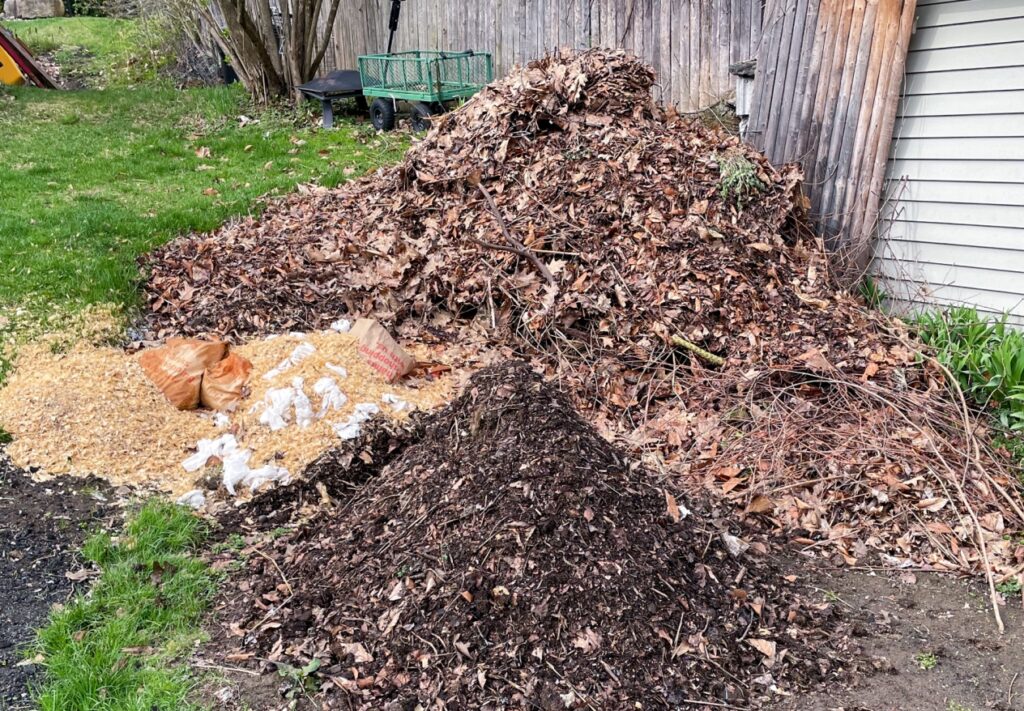
Mulch smells bad because it has gone anaerobic, meaning the organic material inside is decomposing without enough oxygen. When wood chips, bark, or shredded material get compressed into a bag or a tight pile while still damp, the bacteria doing the decomposing run out of air. Those anaerobic bacteria release hydrogen sulfide (the rotten egg smell), acetic acid (vinegar), and methanol as byproducts of that oxygen-starved breakdown process.
This is the same basic chemistry that makes a compost pile stink when it gets too wet and compacted. The material isn’t ruined, it’s just decomposing in the wrong conditions.
Which Types of Mulch Smell the Worst
Not all mulch smells equally bad. The odor depends on how the mulch was processed, how long it sat in storage, and how wet it was when it got packaged or piled.
| Mulch Type | Smell Risk | Why |
|---|---|---|
| Triple-ground wood mulch | High | Fine particles pack tightly, trapping moisture and blocking airflow |
| Dyed/colored mulch | High | Often made from recycled wood waste with higher sugar content, which ferments faster |
| Fresh wood chip mulch | Medium-High | High moisture content when freshly chipped; smells sharp and sour if bagged immediately |
| Pine bark nuggets | Low-Medium | Coarser texture allows more airflow; natural oils slow anaerobic bacteria |
| Straw mulch | Low | Dries quickly; less prone to anaerobic conditions |
| Cedar mulch | Low | Natural cedar oils actively slow microbial activity |
Bagged mulch from big-box stores like Home Depot or Lowe’s sits in pallets for weeks or months. If the material was damp when it went into the bag, you’re essentially buying a sealed fermentation chamber. That’s why opening a fresh bag sometimes releases a smell that hits you like a wet gym locker.
Why Sour Mulch Is a Problem Beyond the Smell
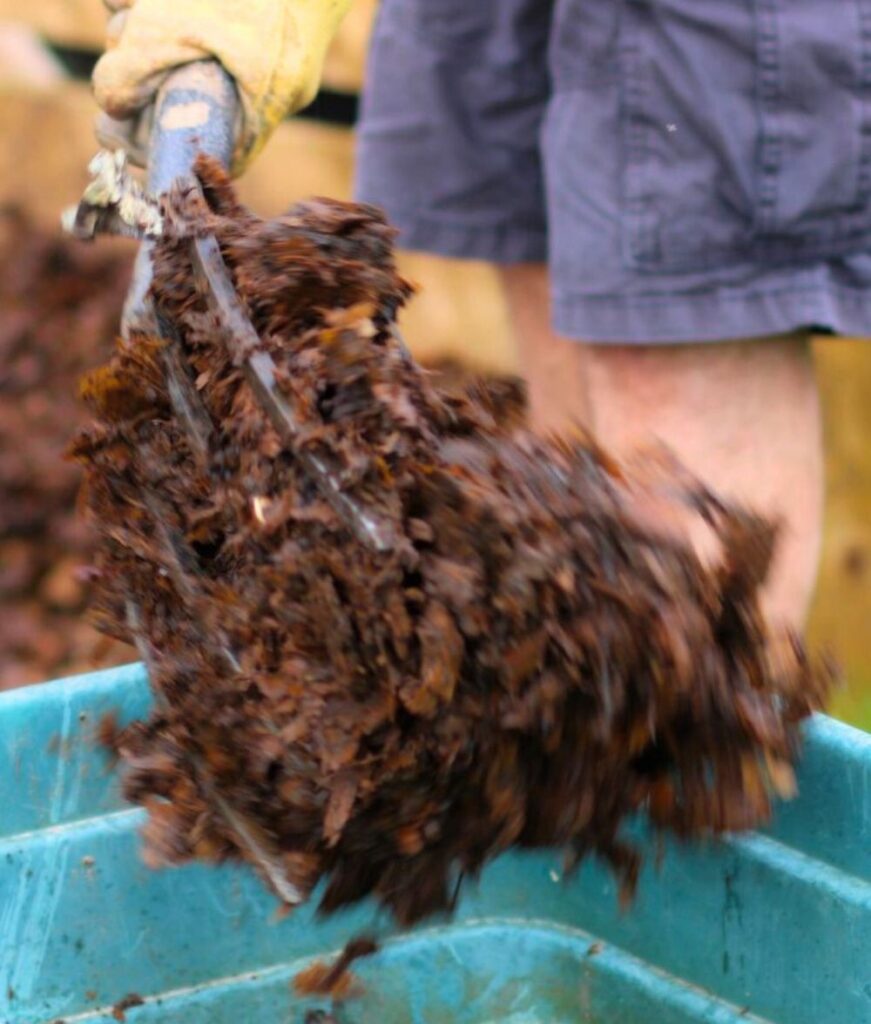
Sour mulch (the term used in landscaping for mulch that has gone fully anaerobic) can damage or kill plants if you apply it without airing it out first. The acetic acid and methanol in heavily soured mulch can lower soil pH and scorch plant roots, especially in younger plants or anything recently transplanted.
The University of Maryland Extension documented cases of sour mulch killing established plantings in residential landscapes, describing pH drops low enough to create conditions similar to over-acidified soil. The damage looks like sudden leaf wilt, yellowing, or browning at the margins within a day or two of mulching.
The fix is simple: spread the mulch out in a thin layer somewhere it gets airflow and let it sit for 24-48 hours before applying it to beds. That off-gassing period lets the anaerobic gases escape and the aerobic decomposition process restart.
How to Tell if Your Mulch Has Gone Sour
You don’t need a pH meter. Your nose is enough. Sour mulch has one or more of these smells:
- Vinegar or sharp acidity (acetic acid)
- Rotten eggs or sulfur (hydrogen sulfide)
- Alcohol or nail polish remover (methanol and ethanol)
- Silage or fermented grass (general anaerobic bacterial activity)
Fresh, healthy mulch smells like damp wood, sawdust, or earth. If it smells like any of the above, let it air out before it goes anywhere near your plants.
How to Fix Smelly Mulch Before You Use It
Airing out mulch takes almost no effort. Dump the bag or spread the pile out to a depth of 2-3 inches on a tarp, driveway, or open area. Leave it for at least 24 hours, ideally 48. Turning it once with a rake or shovel speeds up the process.
If you’ve already spread smelly mulch into a bed, water it lightly and turn it with a fork to introduce oxygen. That usually resolves the smell within a day or two. If the smell is severe and you have young or sensitive plants nearby, rake it back and let it air out before reapplying.
Common Mistakes That Make Mulch Smell Worse
- Piling mulch too deep before use. A pile deeper than 4-5 feet creates anaerobic conditions at the center regardless of how fresh the material is.
- Storing unused mulch in a sealed area. If you bought extra bags and stacked them in a garage or shed, open the bags or cut slits in them to allow airflow.
- Applying mulch too thick in beds. More than 3 inches deep in a bed traps moisture and can create localized anaerobic conditions right against plant stems.
- Buying dyed mulch at the end of the season when it has sat in outdoor storage the longest. Mid-to-late summer bags have had the most time to go sour.
Frequently Asked Questions
Why does my mulch smell like vinegar?
Mulch smells like vinegar because it has produced acetic acid during anaerobic decomposition. This happens when wet organic material breaks down without enough oxygen, usually in a sealed bag or a tight pile. Spread it out for 24-48 hours and the smell will go away as the material re-oxygenates.
Is smelly mulch dangerous to plants?
Yes, in some cases. Sour mulch with high acetic acid or methanol content can scorch roots and lower soil pH enough to damage or kill plants, particularly young transplants. The University of Maryland Extension has documented plant death from sour mulch applied without airing out first. Let it off-gas for at least 24 hours before applying it to any bed.
Does mulch smell go away on its own?
Yes. Once mulch is spread in a thin layer with airflow, the anaerobic bacteria die off and aerobic decomposition takes over within 24-48 hours. The smell goes away as the gases dissipate. Mulch that is left in a pile or bag will continue to smell until it gets oxygen.
Which mulch smells the least?
Cedar mulch and pine bark nuggets are the least likely to smell bad. Cedar contains natural oils that slow microbial activity, and the coarser texture of pine bark allows airflow that prevents anaerobic conditions from forming. Straw mulch also dries quickly and rarely develops sour odor.
Can I use mulch that smells bad?
You can use it after airing it out. Spread it to a depth of 2-3 inches in an open area for 24-48 hours before applying it to garden beds or around trees. Do not apply heavily soured mulch directly to plant beds without this step, especially around new plantings or anything with shallow roots.
How long does it take for mulch smell to go away after spreading?
Most mulch odor dissipates within 24-48 hours of being spread at normal depth (2-3 inches) with good airflow. In humid or low-wind conditions, it may take up to 72 hours. Turning or raking the mulch once speeds up the process noticeably.