
Why Is Grass Green? The Science Behind Turf Color

TL;DR
- Grass is green because chlorophyll, the pigment inside plant cells, absorbs red and blue light and reflects green light back to your eyes.
- Chlorophyll needs nitrogen to stay concentrated in grass blades — low nitrogen is the most common reason lawns turn yellow or pale.
- A deep, uniform green color is the clearest sign your turf is healthy and photosynthesizing efficiently.
- Grass can lose its green color from nitrogen deficiency, drought stress, disease, or overwatering — each has a different fix.
- If your lawn is yellowing, a soil test is the fastest way to find the real cause before spending money on fertilizer (University of Minnesota Extension, 2023).
What Makes Grass Green?
Credit: https://www.lawnsite.com/
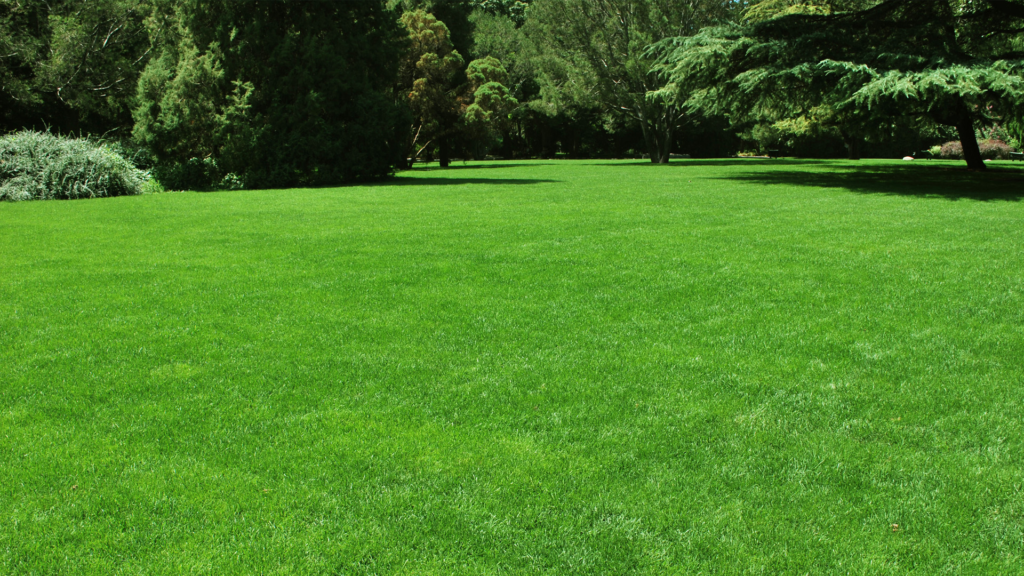
Grass is green because of a pigment called chlorophyll, which sits inside structures in plant cells called chloroplasts. Chlorophyll absorbs red and blue wavelengths of sunlight to power photosynthesis — the process grass uses to convert light into energy. It reflects green wavelengths back, which is what your eyes register as the green color of your lawn.
This is not unique to grass. All plants that photosynthesize use chlorophyll. Grass just happens to have a high concentration of it spread across millions of narrow blades, which gives a healthy lawn that consistent, saturated green appearance.
There are two main forms of chlorophyll in grass: chlorophyll a and chlorophyll b. Both reflect green light, but chlorophyll a handles the bulk of the photosynthetic work (Taiz and Zeiger, “Plant Physiology,” 5th ed., 2010).
Why Nitrogen Is the Reason Your Lawn Stays Green
Nitrogen is the nutrient most directly tied to chlorophyll production. Without enough nitrogen in the soil, grass cannot build or maintain chlorophyll at the levels needed to look green. This is why nitrogen is the first number on any bag of lawn fertilizer — the N in the N-P-K ratio.
When nitrogen drops too low, grass blades turn pale green, then yellow, starting at the tips and older blades first. This yellowing pattern is called chlorosis, and it is the most common lawn color problem homeowners deal with.
Most cool-season grasses like Kentucky bluegrass and tall fescue need between 2 and 4 pounds of nitrogen per 1,000 square feet per year, depending on soil type and climate (Purdue University Extension, 2022). Warm-season grasses like Bermuda and zoysia generally need more, up to 6 pounds per season in active growing periods.
What Grass Color Tells You About Turf Health
The color of your lawn is one of the most reliable diagnostic signals you have. Here is what the common color shifts mean:
| Grass Color | Likely Cause | What to Do |
|---|---|---|
| Deep, uniform green | Healthy, adequate nitrogen and water | Maintain current routine |
| Pale or light green | Low nitrogen | Apply a balanced fertilizer |
| Yellow with green veins | Iron deficiency or high soil pH | Test soil, apply iron sulfate if confirmed |
| Yellow-brown starting at tips | Drought stress or heat | Deep water 1-1.5 inches per week |
| Brown patches with yellow border | Fungal disease | Identify the disease before treating |
| Overall yellow after heavy rain | Overwatering or poor drainage | Reduce irrigation, improve drainage |
A soil test from your local cooperative extension office costs between $15 and $30 and will tell you exactly which nutrients are deficient before you spend money on the wrong product (Clemson Cooperative Extension, 2024).
How Sunlight and Season Affect Grass Color
Credit: https://www.publicdomainpictures.net/
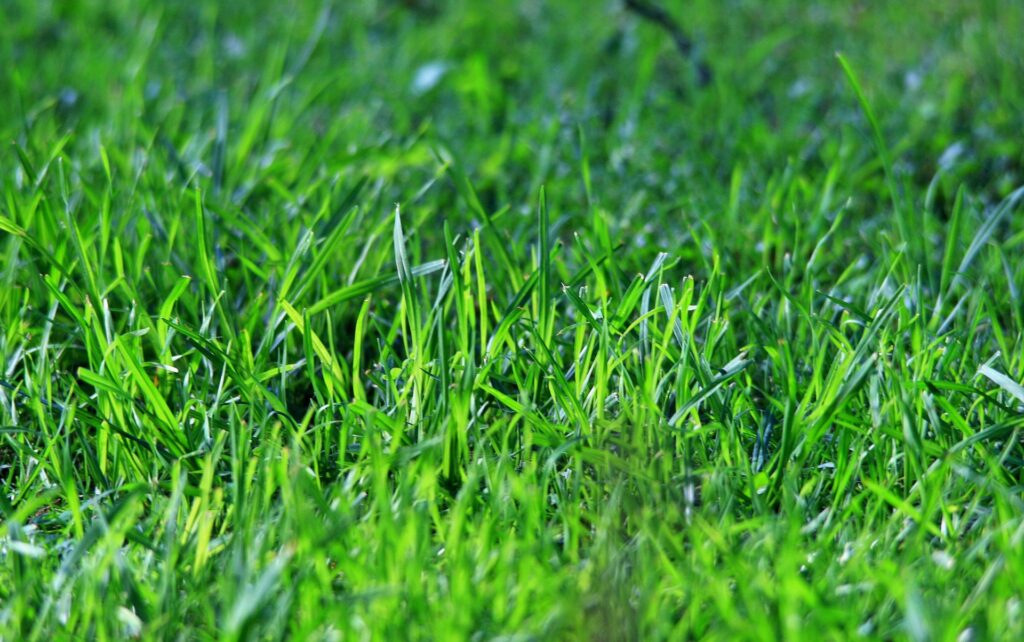
Grass color shifts naturally with the seasons, and that is normal. In early spring, cool-season grasses come out of dormancy looking lighter and less saturated — chlorophyll production ramps back up as soil temperatures rise above 50 degrees Fahrenheit.
In peak summer heat, warm-season grasses like Bermuda and St. Augustine hit their deepest green. Cool-season grasses like fescue and bluegrass can go semi-dormant and turn brown in temperatures above 90 degrees Fahrenheit, especially without irrigation.
In fall, both grass types slow chlorophyll production as days shorten and temperatures drop. This is the lawn doing exactly what it should — not a sign of a problem.
Shade is another factor. Grass growing in dense shade produces less chlorophyll because there is less light available to drive photosynthesis. If shaded areas of your lawn are consistently lighter or thinner, the grass is not failing — it is running low on its energy source.
Common Mistakes That Cost You Green Color
- Fertilizing without a soil test: Applying nitrogen to a lawn that is yellow from iron deficiency or disease will not fix the color and may make the underlying problem worse. Test first.
- Mowing too short: Cutting grass below its recommended height removes too much leaf blade, which reduces the surface area available for photosynthesis. For most cool-season grasses, keep mowing height at 3 to 3.5 inches (Iowa State University Extension, 2023).
- Overwatering: Saturated soil pushes oxygen out of the root zone and promotes fungal growth, both of which interrupt the nutrient uptake that supports chlorophyll production.
- Using the wrong fertilizer for the season: High-nitrogen fertilizers applied to cool-season grass in summer stress the plant rather than green it up. Match your fertilizer timing to your grass type and growth cycle.
Frequently Asked Questions
Why is grass green and not another color?
Grass is green because chlorophyll absorbs red and blue light for photosynthesis and reflects green light back. Green is the wavelength the pigment does not use, so it is the one you see.
Why is my grass turning yellow?
Yellow grass usually means low nitrogen, drought stress, overwatering, or iron deficiency. The yellowing pattern helps identify the cause — uniform fading across the lawn points to nitrogen, while patches with defined borders often indicate disease or drainage problems. A soil test is the most reliable first step.
How do I make my grass greener?
Start with a soil test to confirm what is actually missing. If nitrogen is low, apply a slow-release nitrogen fertilizer at the rate recommended for your grass type. Make sure the lawn is getting 1 to 1.5 inches of water per week, mow at the right height, and avoid fertilizing during heat stress.
Does grass stay green all year?
Warm-season grasses go dormant and turn brown in winter. Cool-season grasses can stay green year-round in mild climates but go dormant in extreme summer heat or hard freezes. Dormancy is a survival response, not damage — the grass comes back when conditions improve.
What is the best fertilizer to keep grass green?
A slow-release nitrogen fertilizer matched to your grass type is the standard recommendation. For cool-season lawns, apply in early fall and again in late spring. For warm-season lawns, fertilize during active summer growth. Products like Scotts Turf Builder or Milorganite are widely available and appropriate for most residential lawns — but soil test results should always guide the choice.