Lawn Fertilization and Weed Control: A Homeowner’s Guide

TL;DR
- Lawn fertilization feeds your grass; weed control kills or prevents competing plants – most homeowners do both together for better results.
- DIY fertilization and weed control costs $50-$150 per season for an average yard; professional service runs $200-$400 per application depending on lawn size and region (Angi, 2025).
- The best time to fertilize cool-season grasses is early fall; warm-season grasses respond best to late spring applications.
- Pre-emergent weed control must go down before soil temperatures hit 55 degrees Fahrenheit – timing is everything.
- A standard 4-step annual program covers the full year and is the most cost-effective approach for most homeowners.
What Are Lawn Fertilization and Weed Control?
Credit: https://lawncraftsupply.com/
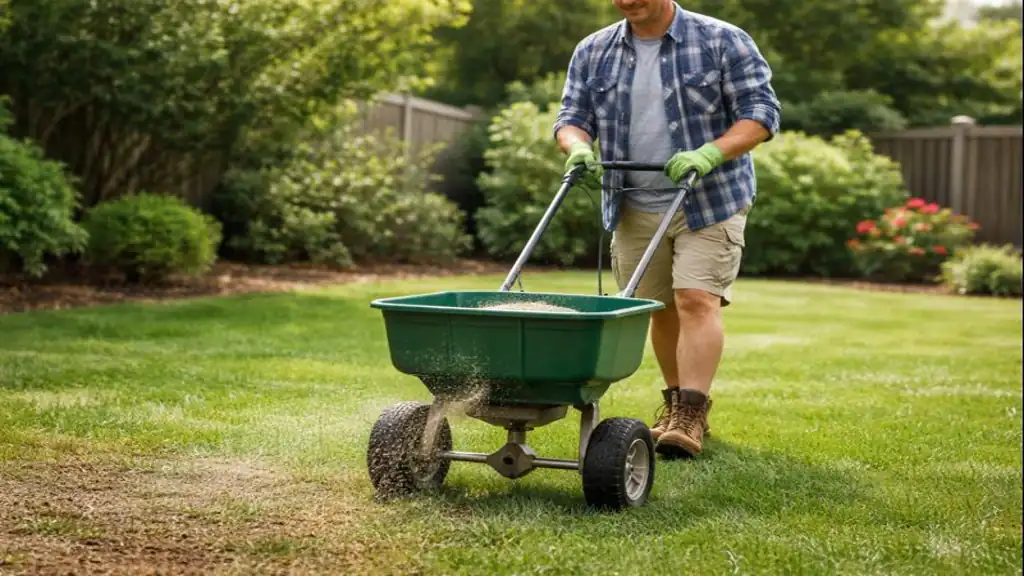
Lawn fertilization is the process of applying nutrients – primarily nitrogen, phosphorus, and potassium – to your grass so it can grow thick, green, and strong. Weed control is the practice of preventing or killing unwanted plants that compete with your grass for water, sunlight, and those same nutrients. Most homeowners handle both together because a thick, well-fed lawn naturally crowds out weeds on its own.
Fertilizer comes in two main forms: granular (dry pellets spread with a broadcast spreader) and liquid (sprayed directly on the lawn). Weed control breaks into two categories: pre-emergent, which stops weed seeds from germinating, and post-emergent, which kills weeds already growing. Products like Scotts Turf Builder with Halts combine fertilizer and pre-emergent in a single application, which saves time.
How Much Does Lawn Fertilization and Weed Control Cost?
Professional lawn fertilization and weed control costs between $200 and $400 per application for an average quarter-acre residential lawn (Angi, 2025). Annual programs bundled through services like TruGreen or local lawn care companies typically run $400-$900 per year for four to six visits, depending on your region and lawn size.
DIY costs are significantly lower. A bag of granular fertilizer covering 5,000 square feet runs $25-$50 at most home improvement stores. A pre-emergent weed control product for the same coverage area costs another $20-$40. Total DIY spend for a full season lands around $100-$200 for most average-size yards.
| Approach | Average Annual Cost | Coverage | Notes |
|---|---|---|---|
| DIY (granular + spreader) | $100-$200 | Up to 10,000 sq ft | Requires time and correct timing |
| DIY (liquid concentrate) | $80-$150 | Up to 10,000 sq ft | Faster application, less margin for error |
| Professional single application | $75-$150 | Average yard | Price varies by region and provider |
| Professional annual program (4-6 visits) | $400-$900 | Average yard | Includes fertilizer, weed, and sometimes grub control |
Cost estimates sourced from Angi (2025) and HomeAdvisor (2025).
When Should You Fertilize and Apply Weed Control?
Credit: https://www.thisoldhouse.com/
Timing depends on your grass type, and getting it wrong wastes money and can damage your lawn.
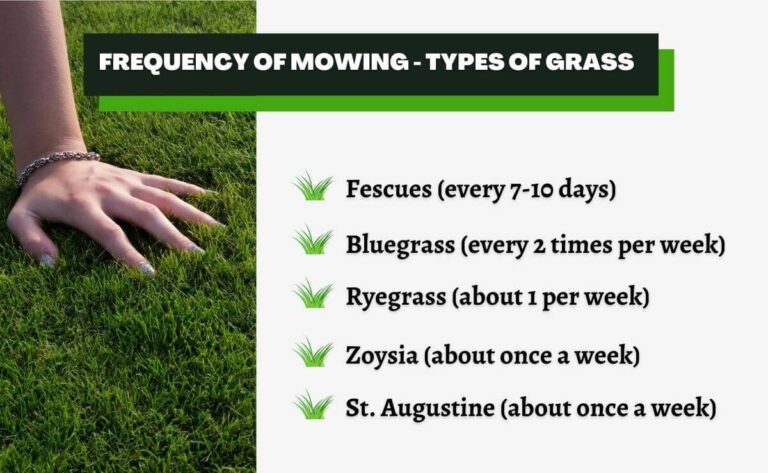
Cool-season grasses (Kentucky bluegrass, tall fescue, perennial ryegrass) grow most actively in fall and early spring. Fertilize cool-season lawns in early fall (September) as the primary application, with a lighter feeding in early spring. Applying heavy nitrogen in summer pushes growth during heat stress and increases disease risk.
Warm-season grasses (Bermuda, Zoysia, St. Augustine, centipede grass) thrive in late spring through summer. Fertilize warm-season lawns between late April and June once the grass has broken dormancy and soil temperatures have consistently reached 65 degrees Fahrenheit.
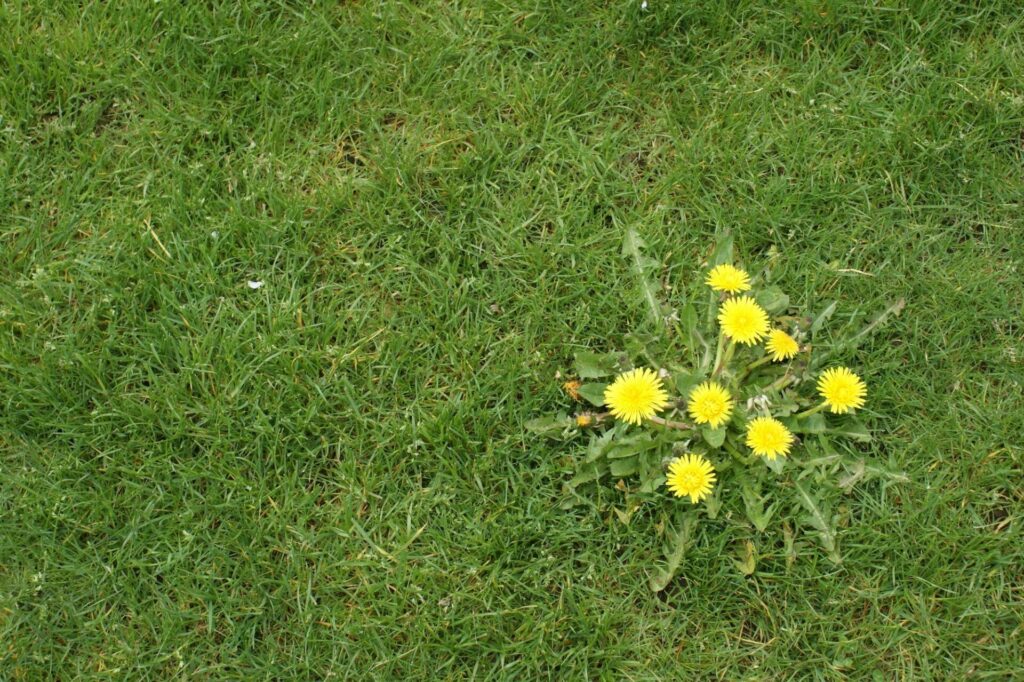
For pre-emergent weed control, apply before soil temperatures hit 55 degrees Fahrenheit in spring. Most crabgrass and annual weed seeds germinate once the soil crosses that threshold. In most of the US, that window falls between late February and early April depending on your region. The Scotts Lawn Care App and your local university cooperative extension service both offer soil temperature maps if you are unsure of your timing.
DIY vs. Professional Lawn Fertilization and Weed Control
DIY is the right choice if you have a standard residential lawn, are comfortable reading a product label, and own or will buy a broadcast spreader ($30-$60 at most hardware stores). The work takes two to three hours per application and produces professional-level results when the timing and rates are correct.
Professional service makes more sense if your lawn has significant weed pressure from multiple species, your yard is larger than a quarter acre, or you simply do not want to manage the timing yourself. Licensed applicators also have access to commercial-grade products not available at retail, which can make a real difference on stubborn weeds like nutsedge or wild violet.
| Factor | DIY | Professional |
|---|---|---|
| Annual cost | $100-$200 | $400-$900 |
| Time required | 2-3 hrs per application | None |
| Product strength | Retail grade | Commercial grade |
| Timing control | You manage it | Handled for you |
| Best for | Average yards, motivated homeowners | Large yards, heavy weed pressure, busy schedules |
Common Mistakes That Cost You More in the Long Run
- Applying fertilizer to dry grass: Granular fertilizer needs to be watered in within 24-48 hours or it can burn your lawn. Water lightly after application or apply before a forecasted rain.
- Missing the pre-emergent window: Post-emergent products cost more, require more applications, and do not always work on established weeds. Pre-emergent applied at the right soil temperature is far more effective and cheaper.
- Over-fertilizing: More is not better. Excess nitrogen runs off into storm drains and can burn turf. Follow label rates exactly – most granular products recommend one pound of nitrogen per 1,000 square feet per application (Purdue Extension, 2024).
- Skipping a soil test: Fertilizing without knowing your soil pH can waste money on the wrong nutrients. A basic soil test through your local cooperative extension office costs $15-$25 and tells you exactly what your lawn actually needs.
Frequently Asked Questions
How much does lawn fertilization and weed control cost per year?
DIY costs run $100-$200 per season for an average yard. Professional annual programs cost $400-$900 depending on lawn size, region, and number of visits (Angi, 2025). Most professional programs include four to six applications spread across the growing season.
When is the best time to fertilize your lawn?
Cool-season grasses should be fertilized primarily in early fall (September). Warm-season grasses respond best to late spring applications once soil temperatures reach 65 degrees Fahrenheit. Avoid fertilizing any grass type during extreme heat or drought.
Can you apply fertilizer and weed killer at the same time?
Yes. Combination products like Scotts Turf Builder plus weed control apply both in one pass. Read the label first – some combination products are only safe for certain grass types, and applying the wrong product to St. Augustine or centipede grass can cause serious damage.
What happens if you skip lawn fertilization?
Without fertilizer, grass gradually thins out, loses color, and becomes less able to compete with weeds. Thin turf lets more sunlight reach the soil surface, which accelerates weed seed germination. Skipping fertilization for two or more seasons often leads to a lawn that requires more aggressive and expensive weed treatments to recover.
Do I need a soil test before fertilizing?
A soil test is not required, but it is worth the $15-$25 cost. Many lawns that look like they need fertilizer actually need lime to correct low pH first. Applying nitrogen to acidic soil produces weak results regardless of how much product you put down. Most cooperative extension offices process soil tests within one to two weeks.