What Grit Flap Disc for Sharpening Mower Blades: A Step-by-Step Guide

TL;DR
- Use a 40-grit flap disc for the fastest material removal and a sharp, clean edge on most mower blades
- 60-grit works if your blade is only lightly dull with no nicks or chips
- Mount the disc on a 4.5-inch angle grinder at 4,500-6,000 RPM
- Sharpen at a 30-45 degree angle, matching the blade’s original bevel
- Disconnect the spark plug wire before touching the blade
What Grit Flap Disc Do You Need for Mower Blade Sharpening?
Credit: https://powertoolmastery.com/
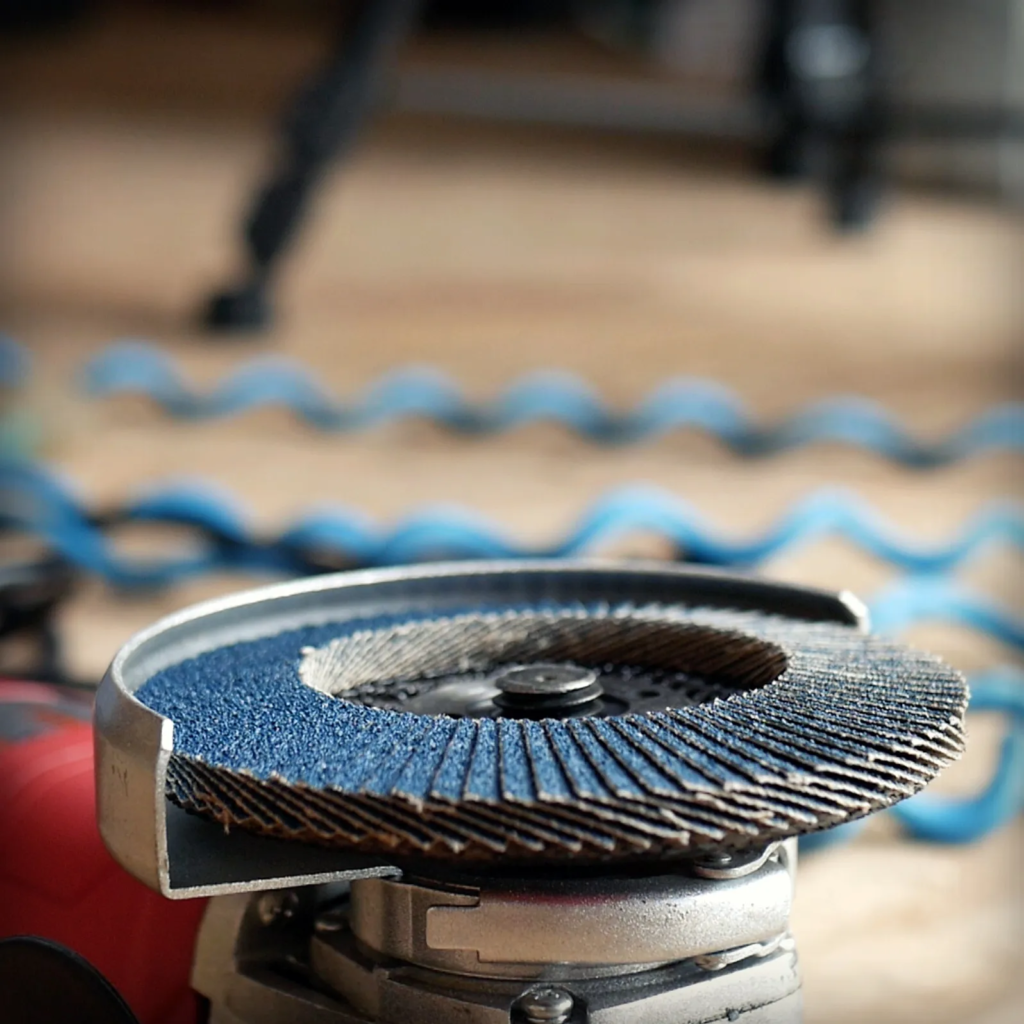
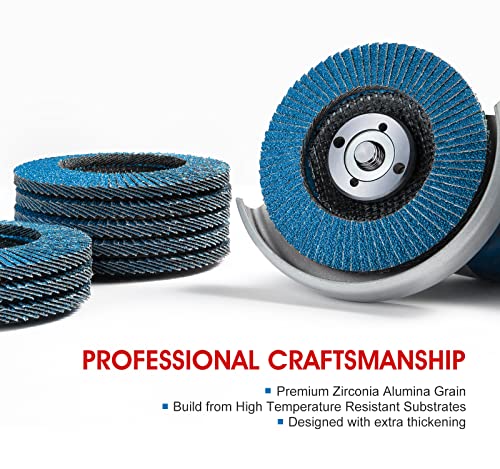
A 40-grit aluminum oxide flap disc is the right choice for sharpening most mower blades. It removes metal fast enough to restore a dull or nicked edge in 3-5 passes without overheating the steel. If your blade is only slightly dull with no visible damage, a 60-grit disc works and leaves a slightly smoother finish, but 40-grit handles the majority of real-world sharpening jobs.
Anything finer than 60-grit – 80, 120, or higher – is too slow for mower blade steel. You will spend three times as long and still end up with a mediocre edge.
How Grit Number Affects the Sharpening Result
Grit number tells you how coarse the abrasive is. Lower numbers cut more aggressively. Higher numbers cut finer and slower.
| Grit | Best Use | Speed | Edge Quality |
|---|---|---|---|
| 40-grit | Standard sharpening, nicks, heavy dullness | Fast | Good working edge |
| 60-grit | Light touch-up, minimal wear | Moderate | Slightly smoother |
| 80-grit | Finish work only | Slow | Smooth but not worth the time |
| 120-grit | Not suitable for blade sharpening | Very slow | Polished but ineffective |
For a mower blade, you do not need a mirror-polished edge. You need a consistent bevel that cuts grass cleanly. A 40-grit disc delivers exactly that.
What You Need Before You Start
Tools:
- Angle grinder (4.5-inch, rated for at least 4,500 RPM)
- 40-grit aluminum oxide flap disc
- Socket wrench or blade removal tool
- Wire brush or rag
- Blade balancer (a nail through a wall stud works in a pinch)
Safety steps:
- Disconnect the spark plug wire before removing the blade – this is not optional
- Wear heavy gloves and eye protection
- Clamp the blade in a vise before grinding – never hold it freehand
Step 1: Remove the Blade Safely
Tilt the mower on its side with the air filter and carburetor facing up. This keeps oil from draining into the wrong places. Use a socket wrench to loosen the blade bolt – it is usually reverse-threaded on older mowers, so turn clockwise to loosen.
Once the blade is off, clean it with a wire brush. You need to see the full bevel angle before you start grinding.
Step 2: Identify the Original Bevel Angle
Look at the cutting edge of the blade. Most mower blades are ground at 30-45 degrees from the factory. Your job is to match that angle – not create a new one. Grinding at the wrong angle wastes metal and shortens blade life.
If the original bevel is worn down and hard to read, 35 degrees is a safe working angle for most residential mower blades.
Step 3: Grind the Edge with the 40-Grit Flap Disc
Credit: https://bestlawnmower.reviews/
Clamp the blade in a vise with the cutting edge facing up. Hold the angle grinder so the disc face matches the bevel angle. Move the grinder along the blade edge in smooth, even strokes from heel to tip – never grind in one spot.
Apply light pressure. Let the disc do the work. Heavy pressure generates heat, and heat pulls the temper out of the steel, making the edge soft and prone to dulling faster. If the metal turns blue or brown, you are pressing too hard and moving too slowly.
Three to five steady passes on each side is enough for a standard dull blade. A blade with chips or visible nicks may need 8-10 passes to remove the damage.
Step 4: Check the Edge and Balance the Blade
Run your thumb lightly across the flat side of the blade edge – not along it. You should feel a consistent burr along the full length. That burr means metal was removed evenly.
Balance the blade before reinstalling. Hang it on a nail through the center hole. If one side drops, grind a few more light passes on the heavy side. An unbalanced blade causes vibration that damages the mower’s crankshaft over time.
Step 5: Reinstall and Test
Reinstall the blade with the cutting edge facing the correct direction – the leading edge faces the direction of rotation. Torque the bolt to the manufacturer’s spec, typically 35-50 ft-lbs for residential walk-behind mowers (check your owner’s manual).
Reconnect the spark plug wire, start the mower, and run it across a patch of grass. A sharp blade cuts cleanly with a consistent sound. Tearing, uneven cut height, or a ragged look on grass tips means the edge still needs work.
What to Do If Something Goes Wrong
| Problem | Likely Cause | Fix |
|---|---|---|
| Blade turns blue during grinding | Too much heat – pressing too hard | Lighter pressure, slower passes |
| Edge feels uneven after sharpening | Inconsistent angle across the pass | Re-clamp and grind heel to tip in one motion |
| Mower vibrates after reinstalling | Blade is unbalanced | Remove, balance on nail, grind heavy side lightly |
| Blade bolt won’t loosen | Reverse thread on older mowers | Turn clockwise to loosen |
| Disc wears down quickly | Wrong disc type or wrong RPM | Use aluminum oxide rated for your grinder’s RPM |
Frequently Asked Questions
What grit flap disc is best for sharpening mower blades?
A 40-grit aluminum oxide flap disc is the standard choice. It removes metal fast enough to restore a sharp edge in 3-5 passes and works on both standard and mulching blades.
Can I use an 80-grit flap disc on a mower blade?
You can, but it takes far longer and the result is not meaningfully better for a mower blade. An 80-grit disc is suited to finish work, not the aggressive material removal that blade sharpening requires.
How often should I sharpen mower blades?
Sharpen after every 20-25 hours of mowing, or about once per month during active mowing season (Briggs & Stratton maintenance guidelines). Mowing rocky or sandy ground may require more frequent sharpening.
What angle should I sharpen a mower blade at?
Match the original factory bevel, which is typically 30-45 degrees. If the original angle is hard to read, 35 degrees works for most residential blades.
Do I need a special flap disc or will any angle grinder disc work?
Use an aluminum oxide flap disc rated for your grinder’s RPM. Standard grinding wheels work but are harder to control on a curved blade edge. Flap discs conform slightly to the surface and are easier to keep at a consistent angle.
Quick Recap
- Remove blade safely with spark plug wire disconnected
- Identify the original bevel angle before grinding
- Use a 40-grit aluminum oxide flap disc at consistent angle, heel to tip
- Check for even burr, then balance before reinstalling
- A sharp blade cuts clean – if grass tips look torn, sharpen again