When Not to Cut Grass: Conditions That Damage Your Lawn

TL;DR
- Do not mow wet grass — it tears turf, clogs your deck, and spreads lawn disease
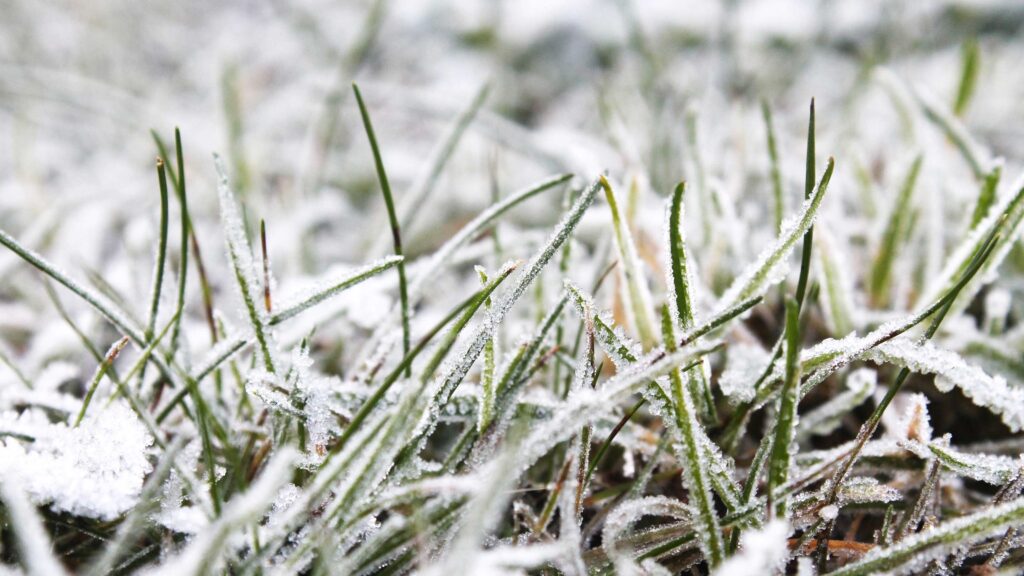
- Avoid cutting during a frost or within 24 hours of one — frozen grass blades snap instead of cut
- Skip mowing during heat stress above 90°F; your lawn is already struggling
- Do not cut dormant grass — brown turf in summer or winter does not need mowing
- The one-third rule applies in every condition: never remove more than one-third of the blade height in a single mow
Why Timing Your Mow Matters as Much as How You Mow
Credit: https://fity.club/
Mowing at the wrong time does more damage than skipping a week entirely. A lawn mower blade moving at 200 mph through wet, stressed, or frozen grass tears the tissue instead of cutting it cleanly. That torn edge turns yellow, invites fungal disease, and weakens the root system over time.
The conditions below are the ones most likely to send a homeowner outside at exactly the wrong moment.
When Not to Cut Grass: The 6 Conditions to Avoid
1. When the Grass Is Wet
Do not mow wet grass. Wet blades clump together, clog the underside of your deck, and get cut unevenly. The mower drags and tears instead of slicing clean. Wet clippings mat on the surface, block sunlight, and create the exact moisture environment that fungal diseases like brown patch and dollar spot need to spread (University of Maryland Extension, 2023).
Wait until the lawn has dried completely — typically two to three hours after rain on a warm day, longer in humid conditions.
2. During or Right After a Frost
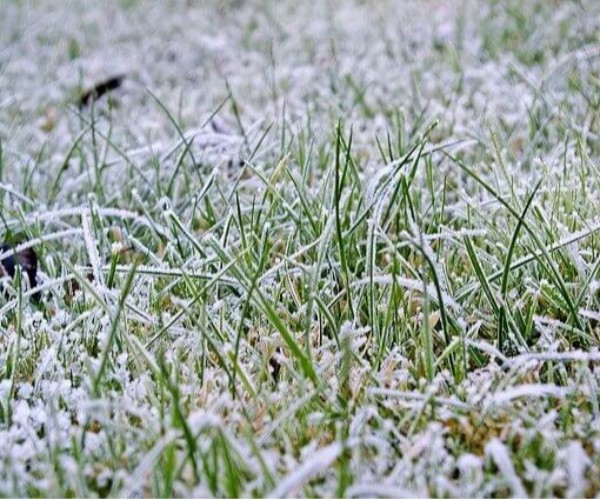
Frost turns grass blades rigid. A mower running over frozen turf snaps the blades rather than cutting them, leaving ragged ends that die back and turn brown. The crown of the grass plant — the growing point just above the soil — is especially at risk from foot traffic and mower weight when the ground is frozen.
Wait until the frost has fully melted and the soil surface is firm but not frozen. For most regions, that means holding off until mid-morning.
3. During Extreme Heat Above 90°F
Grass under heat stress has already slowed growth and pulled energy down to the roots. Mowing removes leaf surface the plant needs to photosynthesize and recover. The cut ends dry out faster in high heat, and the lawn takes longer to bounce back.
If temperatures are consistently above 90°F and you have not watered recently, hold off. Mow in the early morning when it is cooler, or wait for the heat to break.
4. When the Grass Is Dormant
Dormant grass — whether brown from summer drought or winter cold — has stopped growing. There is nothing to cut. Running a mower over dormant turf adds unnecessary stress, compacts the soil, and can damage crowns that are already in a vulnerable state.
Cool-season grasses like Kentucky bluegrass and tall fescue go dormant in peak summer heat. Warm-season grasses like Bermuda and Zoysia go dormant in fall and stay that way until soil temperatures climb above 55°F in spring (Purdue Extension, 2022).
5. Right After Seeding or Overseeding
New grass seed needs time to establish root depth before the first mow. Mowing too early pulls seedlings out of the soil or smothers them under the mower deck. Wait until new growth reaches at least 3.5 inches before the first cut, and keep that first mow light — no more than one inch off the top.
6. When the Grass Is Already Scalped or Stressed
If your lawn is thin, patchy, or recovering from drought, pest damage, or disease, mowing accelerates the problem. Stressed grass has less leaf surface to spare. Give it two to three weeks of recovery — water, maybe a light fertilizer application if the season is right — before resuming a normal mowing schedule.
Quick Reference: When to Hold Off Mowing
| Condition | Why It Causes Damage | How Long to Wait |
|---|---|---|
| Wet grass | Uneven cut, deck clogging, disease spread | Until fully dry (2-3 hours minimum) |
| Frost | Frozen blades snap instead of cut | Until frost fully melts |
| Heat stress above 90°F | Removes leaf surface plant needs to recover | Until temperatures drop or after watering |
| Dormant grass | No growth to cut; adds unnecessary stress | Until active growth resumes |
| Newly seeded lawn | Pulls seedlings before roots establish | Until grass reaches 3.5 inches |
| Stressed or damaged lawn | Accelerates thinning and disease | 2-3 weeks of recovery first |
The One-Third Rule Still Applies
Credit: https://www.gardeningetc.com/
No matter how long you wait between mows, never remove more than one-third of the grass blade height in a single session. If you let the lawn get to 4.5 inches, cut it back to 3 inches — not shorter. Cutting too aggressively at once shocks the plant, exposes the soil to sun and weed pressure, and triggers the same stress response as mowing in bad conditions.
If the lawn got away from you, bring it down gradually over two or three mows spaced a few days apart.
Frequently Asked Questions
Is it bad to mow wet grass once in a while?
One wet mow will not destroy a healthy lawn. The risk builds when it becomes a habit. Repeated mowing on wet turf compacts the soil, spreads disease, and leaves an uneven cut that gets harder to correct over time. If you have to mow wet, raise the deck height and go slowly.
Can you mow in the rain?
Mowing in active rain is not recommended for the same reasons as mowing wet grass, plus the added risk of slipping on wet surfaces and potential electrical hazard if you are using a corded electric mower. Wait for the rain to stop and the surface to dry.
How do you know if grass is too wet to mow?
Walk through the lawn. If your shoes come back soaked, the grass is too wet. If clippings stick together in clumps rather than scattering, the grass is too wet. A simple visual check before you start saves you the cleanup.
Should you mow dormant grass in summer?
No. Brown, dormant grass is not growing. Mowing it removes what little green tissue remains, stresses the crowns, and delays recovery when temperatures drop and rain returns. Leave dormant turf alone.
How early in spring should you start mowing again?
Start mowing in spring when the grass reaches your target mowing height — typically 3 to 3.5 inches for most cool-season grasses. Do not mow just because it is a certain date on the calendar. Let the grass tell you when it is ready. Soil temperature above 50°F and visible active growth are the real signals (Purdue Extension, 2022).
What happens if you mow during a frost warning?
Mowing during or right before a frost compounds the damage. The cut ends are open tissue — already vulnerable to cell damage from freezing. The result is widespread browning along the blade tips that takes weeks to grow out. Wait until the frost threat passes and the ground has thawed.