Hi Lift Blades vs Mulching Blades: Which One Is Right for Your Lawn?

TL;DR
- Hi lift blades create strong suction to discharge or bag clippings – best for tall, thick, or wet grass
- Mulching blades have a curved cutting edge that chops clippings fine and drops them back into the lawn as fertilizer
- Most residential mowers from Honda, Toro, and Husqvarna ship with a standard or mulching blade from the factory
- Neither blade is universally better – the right choice depends on your grass type, mowing frequency, and what you do with the clippings
- Switching blades costs $15-$35 for most residential mowers (Oregon, 2024)
What Are Hi Lift Blades and How Do They Work?
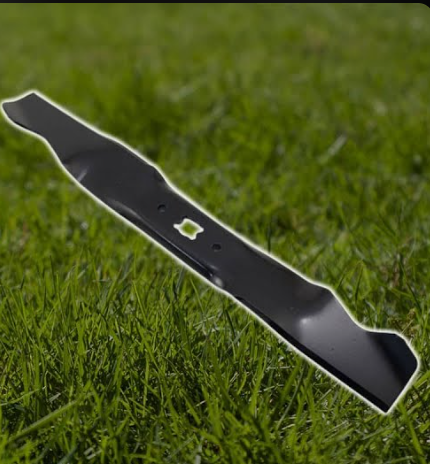
Hi lift blades are designed to pull cut grass upward and throw it out the discharge chute or into a bag. The blade has a sharply angled fin along its trailing edge – that angle creates airflow, which lifts clippings off the lawn and pushes them toward the discharge opening.
This makes hi lift blades the right call when your grass is long, damp, or thick. They also tend to produce a cleaner cut on fine-bladed turf grasses like Bermuda or Kentucky bluegrass, because the suction pulls the blades upright before the cutting edge contacts them.
The tradeoff is engine load. All that airflow takes power, and on smaller residential engines like the Honda GCV160 or Briggs & Stratton 675exi, a hi lift blade will pull slightly more fuel and run the engine a bit harder than a standard blade.
What Are Mulching Blades and How Do They Work?
Mulching blades – sometimes called 3-in-1 blades – have a curved or wavy profile along the cutting surface. Instead of throwing clippings out, they circulate cuttings under the deck multiple times, chopping them into fine pieces that fall back into the lawn.
Those fine clippings break down quickly and return nitrogen to the soil. According to Oregon (2024), mulching can return up to one pound of nitrogen per 1,000 square feet per season, which meaningfully reduces how much fertilizer you need to apply.
Mulching works best when you mow frequently – once a week during peak growing season – and take off no more than one-third of the grass blade per mow. If your lawn gets away from you and the grass is tall, mulching blades will struggle. The clippings come out too thick to break down fast and they mat on the surface, which can block sunlight and invite disease.
Hi Lift vs Mulching Blades: Side-by-Side Comparison
| Feature | Hi Lift Blade | Mulching Blade |
|---|---|---|
| Clipping discharge | Out chute or into bag | Returns to lawn |
| Best grass condition | Long, thick, or wet | Short, dry, regularly mowed |
| Engine load | Higher | Lower |
| Lawn nutrition benefit | None | Returns nitrogen to soil |
| Cut appearance | Very clean, upright cut | Clean when grass is short |
| Typical blade cost | $15-$30 (Oregon, 2024) | $18-$35 (Oregon, 2024) |
| Best mowing frequency | Weekly or less frequent | Weekly minimum |
When to Use a Hi Lift Blade
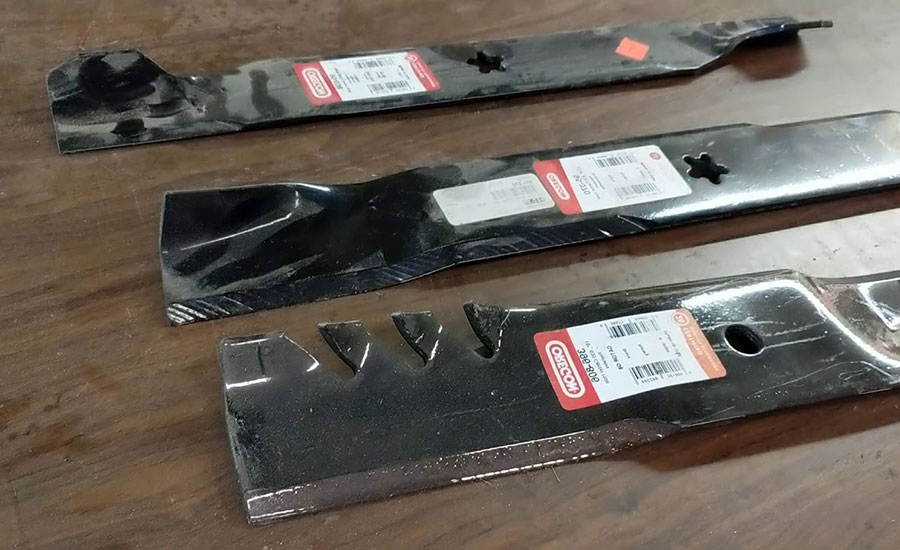
Credit: https://mowersboy.com/
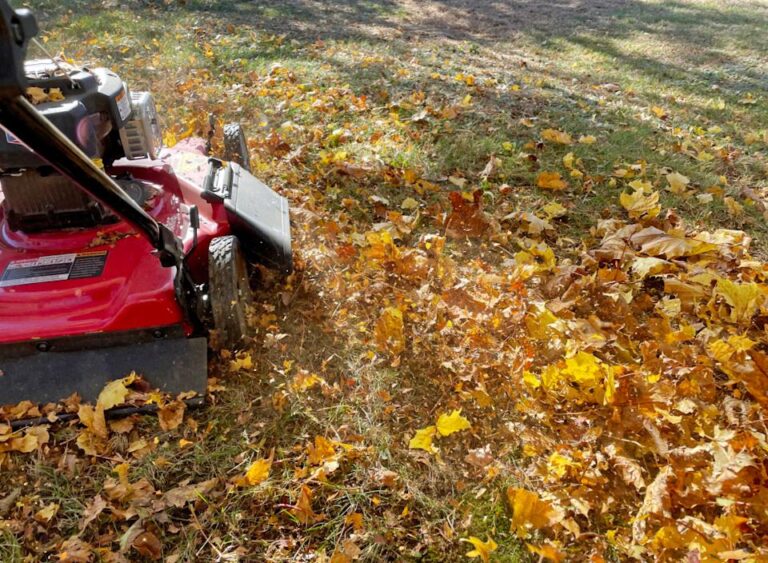
Use a hi lift blade when you are bagging clippings, mowing infrequently, or dealing with grass that has gotten ahead of you. It also performs better on lawns with heavy thatch, or in fall when leaves are mixed into the clippings.
Toro Recycler series and Husqvarna walk-behind models handle hi lift blades well because their deck designs support the added airflow. If you are mowing a large lot and bagging for a clean, striped appearance, hi lift is the right tool.
When to Use a Mulching Blade
Use a mulching blade when you mow on a consistent weekly schedule and your grass stays at a manageable height. This is the low-effort, low-cost approach to feeding your lawn through the season.
Honda HRX and HRR series mowers ship with a twin-blade mulching system from the factory, and for homeowners mowing typical suburban lots once a week, it works exactly as intended. You skip the bagging step, you skip the fertilizer application, and your lawn gets a steady, light feed all season.
Common Mistakes That Cost You More in the Long Run
- Using a mulching blade on overgrown grass: Clippings come out thick and clump on the surface. They do not break down quickly and can smother the turf. Raise your deck or switch to a hi lift blade when the lawn gets away from you.
- Running a dull hi lift blade: A dull blade tears grass upward instead of cutting it. On a hi lift design this is worse than on a standard blade because the suction amplifies the tearing force. Sharpen blades every 20-25 hours of mowing (Briggs & Stratton, 2024).
- Buying a blade that does not match your deck size: Most residential mowers use 21-inch blades, but deck sizes vary. Always confirm blade length, center hole diameter, and blade thickness before buying a replacement.
Frequently Asked Questions
What is the difference between hi lift blades and mulching blades?
Hi lift blades use an angled fin to create airflow and throw clippings out of the discharge chute or into a bag. Mulching blades have a curved cutting edge that circulates clippings under the deck and chops them fine before dropping them back into the lawn.
Can you use a mulching blade for bagging?
You can, but the results are poor. Mulching blades do not generate enough airflow to fill a bag efficiently. If bagging is your primary goal, use a hi lift blade.
How often should you replace lawn mower blades?
Blades typically last one to three seasons depending on mowing frequency and terrain. Sharpen every 20-25 hours of use and replace when the blade shows cracks, deep nicks, or visible bending (Briggs & Stratton, 2024).
Are mulching blades better for the lawn?
When used correctly – on short, dry grass mowed weekly – mulching blades return nitrogen to the soil and reduce the need for supplemental fertilizer. Oregon (2024) estimates up to one pound of nitrogen returned per 1,000 square feet per season.
Do hi lift blades wear out faster than mulching blades?
Not significantly. Both blade types wear at roughly the same rate under normal residential use. The bigger factor is whether your lawn contains sand, gravel edges, or hard debris – those conditions wear any blade faster regardless of type.
Can I switch between hi lift and mulching blades on the same mower?
Yes, as long as the replacement blade matches your deck size and center hole. Most residential mowers from Honda, Toro, and Husqvarna accept aftermarket blades from Oregon or Arnold that are available in both configurations for $15-$35 (Oregon, 2024).