Gator Blades vs Mulching Blades: Which One Is Right for Your Yard

TL;DR
- Gator blades are a type of mulching blade with extra serrated teeth that chop clippings into finer pieces – they handle heavy grass and fall leaves better than standard mulching blades
- Standard mulching blades recirculate clippings under the deck and work well for regular mowing on maintained lawns
- Gator blades are the better choice if you mow infrequently, deal with thick seasonal growth, or use your mower to shred leaves in fall
- Standard mulching blades are quieter, slightly cheaper, and sufficient for homeowners who mow on a regular weekly schedule
- Both blade types fit most residential mowers – the right choice depends on your mowing habits, not your mower brand
What Are Gator Blades and How Are They Different from Mulching Blades?
Credit: https://fity.club/
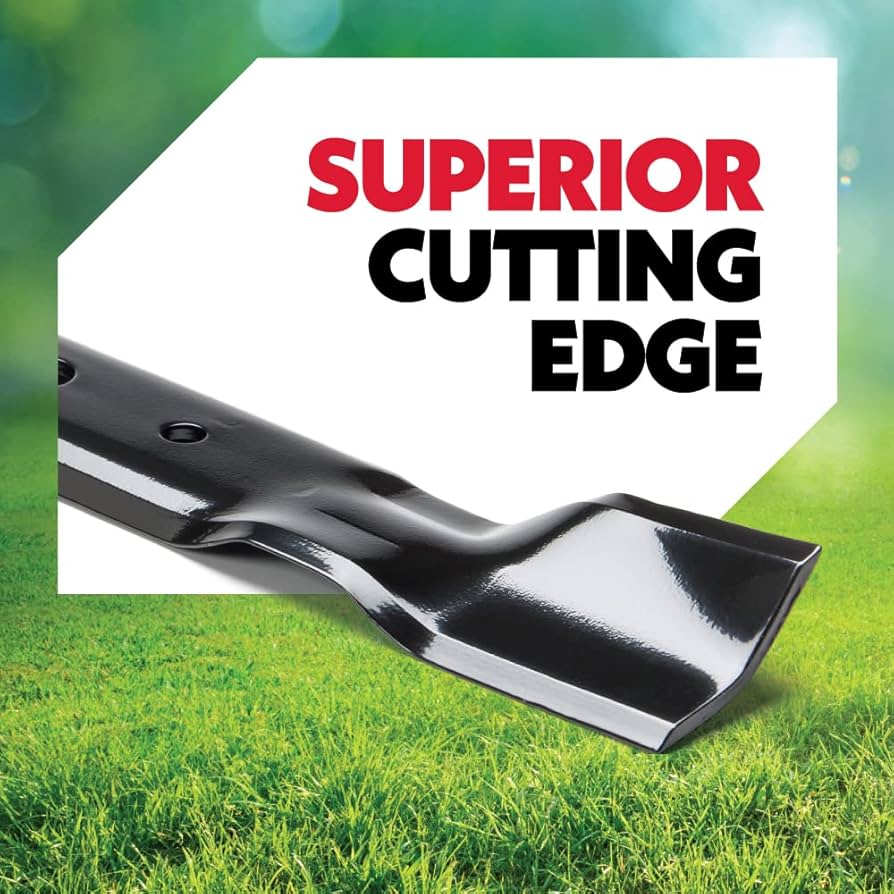
Gator blades are a specific style of mulching blade with serrated or “gator-tooth” edges along the cutting surface. Those teeth create extra turbulence under the deck, which chops grass clippings and leaves into smaller fragments before they fall back onto the lawn. Standard mulching blades – also called 3-in-1 blades – use a curved blade profile to lift, cut, and redirect clippings back down without the added chopping action.
Both blade types are designed to mulch. The difference is how aggressively they do it. Think of a standard mulching blade as a regular kitchen knife and a gator blade as a serrated bread knife – both cut, but one handles tougher material without tearing.
Standard straight blades, sometimes called 2-in-1 or high-lift blades, are a separate category entirely. They discharge clippings out the side or into a bag rather than recycling them. This article covers mulching blades only.
When Gator Blades Outperform Standard Mulching Blades
Gator blades perform better in three specific situations: thick or overgrown grass, wet or dense growth, and fall leaf cleanup.
If you skip a mowing cycle and the grass gets ahead of you, a standard mulching blade will clump and leave uneven piles of clippings on the surface. Gator blades chop those clippings finer, which lets them filter down into the turf rather than sitting on top and potentially blocking sunlight.
Fall leaf cleanup is where gator blades genuinely pull away from standard mulching blades. The serrated teeth shred dry leaves into fine particles that decompose faster and disappear into the lawn without matting. Many homeowners keep a set of gator blades specifically for October and November mowing, then switch back to standard blades for spring and summer.
Gator blades also hold up better in mixed debris conditions – pine needles, small twigs, seed heads – where a standard mulching blade tends to push material around rather than cutting through it.
When Standard Mulching Blades Are the Better Choice
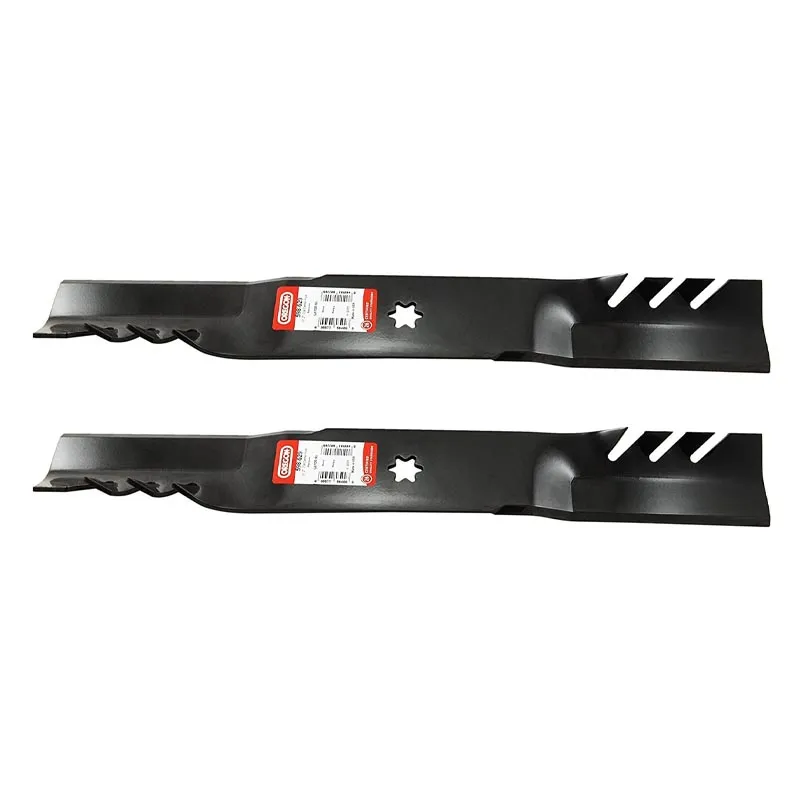
Standard mulching blades are the right call for homeowners who mow consistently every 5-7 days during the growing season and deal with normal grass heights.
At regular mowing intervals, grass clippings are short enough that a standard mulching blade handles them cleanly. The clippings break down quickly on their own without needing the extra chopping action of a gator blade. Running gator blades on a well-maintained lawn at normal cutting heights is not harmful, but it is unnecessary – and gator blades typically cost $5-$15 more per blade (Home Depot, 2025).
Standard mulching blades also run slightly quieter and produce marginally less vibration under normal conditions. For most homeowners mowing a flat, regularly maintained lawn, the extra cost and noise of gator blades offers no practical benefit.
Gator Blades vs Mulching Blades: Side-by-Side Comparison
| Feature | Gator Blades | Standard Mulching Blades |
|---|---|---|
| Best use case | Thick grass, leaves, infrequent mowing | Regular weekly mowing, maintained lawns |
| Clipping size | Finer – multiple cuts from serrated teeth | Standard – single pass mulching |
| Deck compatibility | Fits most residential decks | Fits most residential decks |
| Typical price per blade | $15-$35 (Home Depot, 2025) | $10-$25 (Home Depot, 2025) |
| Noise level | Slightly higher | Standard |
| Leaf shredding | Excellent | Fair to poor |
| Wet grass performance | Better | Average |
| Replacement frequency | Similar to standard blades | Similar to gator blades |
Can You Run Gator Blades Year-Round?
Yes. Gator blades work fine as a year-round blade on most residential mowers. Some homeowners run them all season without issue, particularly if their lawn has mixed terrain, uneven growth, or they mow every 10-14 days rather than weekly.
The only scenario where year-round gator blades are a poor fit is a flat, small lawn mowed on a strict weekly schedule. In that case, a standard mulching blade does the same job for less money and with slightly less noise.
If you want one blade that handles spring, summer, and fall well without swapping, gator blades are the more flexible choice.
How to Know Which Blade Fits Your Mower
Blade compatibility is based on deck size and blade length – not blade style. A gator blade and a standard mulching blade for a 42-inch deck are the same physical length. Check your mower’s owner manual or the manufacturer’s website for the correct blade length and center hole diameter before ordering.
Oregon, Arnold, and Maxpower all produce gator-style blades in sizes that fit most major residential mower brands including Toro, Husqvarna, Craftsman, John Deere, and Honda. Cross-reference your mower’s model number with the blade manufacturer’s fit guide before buying.
Frequently Asked Questions
What is the difference between gator blades and mulching blades?
Gator blades are a type of mulching blade with serrated teeth along the cutting edge. Those teeth chop clippings into finer pieces than a standard mulching blade can produce. Standard mulching blades recirculate and cut clippings once. Gator blades cut them multiple times per pass.
Are gator blades worth the extra cost?
For homeowners who mow infrequently, deal with heavy growth, or use their mower for fall leaf cleanup, yes. For homeowners mowing a maintained lawn every 5-7 days, the extra $5-$15 per blade (Home Depot, 2025) does not produce a noticeable improvement in results.
Can you use gator blades on any lawn mower?
Gator blades fit most residential mowers as long as you match the correct blade length and center hole size to your deck. Blade style does not affect compatibility – only blade dimensions do. Check your owner manual or manufacturer website for the correct specs before ordering.
Do gator blades make a difference for fall leaves?
Yes – this is where gator blades perform best. The serrated teeth shred dry leaves into fine particles that decompose quickly and disappear into the turf. A standard mulching blade will chop leaves to some degree, but gator blades produce noticeably finer results in leaf-heavy conditions.
How often should you replace mulching blades or gator blades?
Sharpen mower blades after every 20-25 hours of use and replace them when sharpening no longer restores a clean cutting edge – typically every 1-2 seasons for residential mowers (Briggs & Stratton, 2023). Gator blades and standard mulching blades wear at roughly the same rate under normal use.