What Is a Brushless Lawn Mower? How the Motor Works and Whether It’s Worth It in 2025

TL;DR
- A brushless lawn mower uses an electronic motor that has no carbon brushes, which means less friction, less heat, and a longer motor lifespan than brushed motors.
- Brushless mowers run up to 25% longer per charge than brushed models on the same battery (Consumer Reports, 2024).
- EGO, Greenworks, Ryobi, and Milwaukee all sell brushless cordless mowers priced from around $300 to $700.
- They cost more upfront but require almost no motor maintenance over their lifetime.
- If you mow a yard larger than a quarter-acre and rely on battery power, a brushless motor is worth the price difference.
What Is a Brushless Lawn Mower?
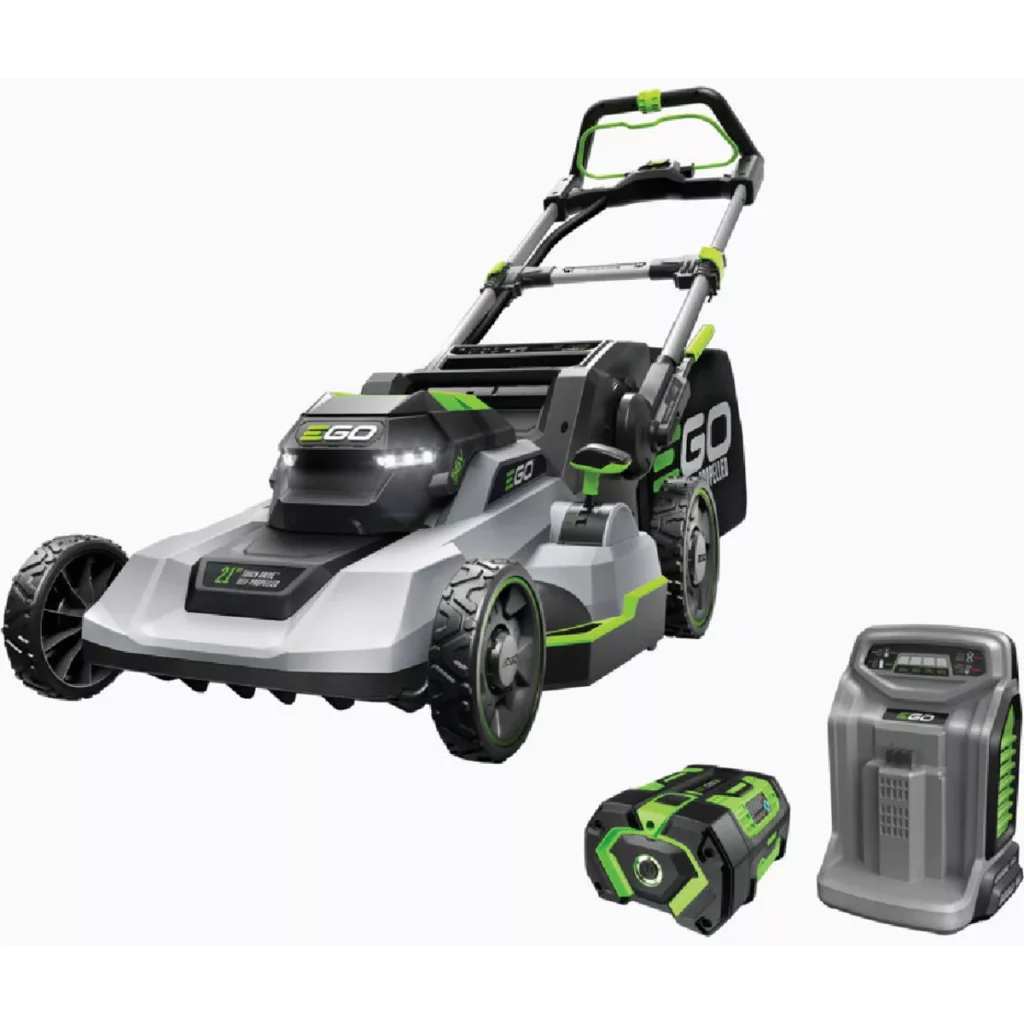
A brushless lawn mower is a battery-powered mower that uses a brushless motor – a type of electric motor that replaces carbon brush contacts with electronic controllers. Instead of physical brushes transferring current to the spinning rotor, the controller switches the current electronically. The result is a motor that runs cooler, wastes less energy as heat, and wears out significantly more slowly.
The term “brushless” refers only to the motor type, not the mower’s size, cut width, or blade system. You’ll find brushless motors in push mowers, self-propelled mowers, and even some rear-wheel-drive models.
How a Brushless Motor Differs From a Brushed Motor
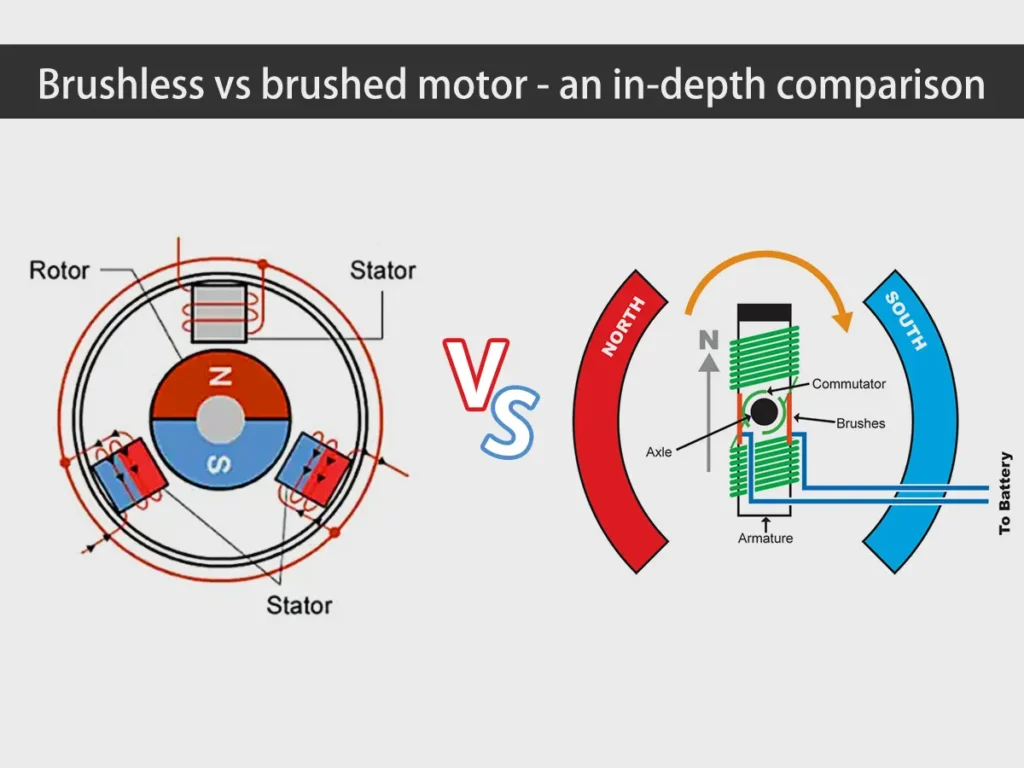
In a brushed motor, carbon brushes press against a rotating part called the commutator to transfer electrical current. Every time those brushes make contact, there’s friction, heat, and a small amount of wear. Over time the brushes wear down and need replacement. The friction also bleeds off power that could otherwise spin the blade.
A brushless motor removes that contact entirely. Electronic sensors track the rotor’s position, and a controller fires current to the right coils at the right moment. No brushes, no friction from contact, no carbon dust building up inside the motor housing.
The practical difference:
| Feature | Brushed Motor | Brushless Motor |
|---|---|---|
| Run time per charge | Baseline | Up to 25% longer (Consumer Reports, 2024) |
| Motor heat | Higher | Lower |
| Motor lifespan | 1,000-3,000 hours typical | 5,000+ hours typical |
| Maintenance required | Brush replacement every few years | None on the motor itself |
| Upfront cost | Lower | $50-$150 more at comparable specs |
| Power delivery | Fixed | Variable – adjusts to load automatically |
Why Brushless Motors Deliver More Consistent Power
A brushless motor adjusts its output based on what the blade actually needs. Mow through thin, dry grass and the motor draws less current. Hit a thick patch of wet spring growth and it automatically pulls more power to keep blade speed consistent.
A brushed motor doesn’t do this – it runs at a fixed output and either bogs down in heavy grass or wastes battery in light conditions.
This load-sensing behavior is why brushless mowers feel more consistent across different grass types. It’s also why battery life stretches further: the motor isn’t burning full power the entire time.
How Long Do Brushless Lawn Mowers Last?
Credit: https://batteryswapcabinet.com/
Brushless motors are rated for 5,000 hours or more of operation in most manufacturer specifications (EGO Power+, 2023; Milwaukee Tool, 2024). At one hour of mowing per week across a 30-week mowing season, that’s over 160 years of theoretical motor life. In practice, the battery pack, deck, and wheels will wear out long before the motor does.
The more realistic lifespan question is about the mower as a whole. Battery-powered mowers with brushless motors typically last 8-12 years with normal use and proper battery storage (meaning you don’t leave a depleted battery sitting in a hot garage all winter).
What Brushless Lawn Mowers Cost in 2025
Brushless cordless mowers range from around $299 for a basic push model to $699 or more for a self-propelled mower with a large battery pack.
| Model Type | Price Range | Battery Included |
|---|---|---|
| Brushless push mower, 20″ deck | $299 – $399 | Usually yes |
| Brushless self-propelled, 21″ deck | $449 – $599 | Usually yes |
| Brushless self-propelled, 21″ deck, dual battery | $599 – $799 | Yes |
| Brushed cordless mower (comparison) | $179 – $299 | Sometimes |
Prices sourced from Home Depot and Lowe’s product listings, May 2025.
The EGO Power+ LM2135SP (21″, self-propelled) retails for around $599 with a 7.5Ah battery. The Greenworks 40V 21″ self-propelled brushless model lists at roughly $449. Ryobi’s 40V brushless push mower runs around $329.
Is a Brushless Lawn Mower Worth the Extra Cost?
For most homeowners mowing a quarter-acre or more, yes. The longer run time per charge alone often covers the price difference over two or three mowing seasons, especially if you’d otherwise need to buy a second battery to finish the yard.
For a small flat yard under 4,000 square feet, a brushed motor mower at a lower price point may be enough. You won’t push the motor hard enough to notice the difference in heat or power delivery.
The one group that benefits most from brushless motors: anyone mowing mixed terrain with patches of thick or wet grass. That load-sensing power adjustment keeps blade speed steady where a brushed motor would bog and stall.
Common Mistakes When Buying a Brushless Mower
- Buying a brushless mower body without checking battery compatibility. EGO, Greenworks, Ryobi, and Milwaukee each use proprietary battery systems. A Ryobi 40V battery does not fit an EGO mower.
- Focusing only on voltage and ignoring amp-hours. A 40V 2Ah battery runs shorter than a 40V 5Ah battery. Voltage sets the power ceiling; amp-hours determine how long it runs.
- Assuming brushless means self-propelled. Many brushless push mowers exist. Check the product listing for drive system details.
- Storing the battery fully depleted over winter. Most lithium-ion batteries in cordless mowers last longest when stored at 40-80% charge in a temperature-controlled space (Greenworks, 2023).
Frequently Asked Questions
What does brushless mean on a lawn mower?
Brushless means the mower’s electric motor uses electronic controllers instead of carbon brush contacts to transfer current. This eliminates friction inside the motor, which reduces heat, extends motor life, and improves battery efficiency compared to brushed motors.
Are brushless lawn mowers better than gas mowers?
Brushless cordless mowers are quieter, produce no direct emissions, and require less maintenance than gas mowers – no oil changes, no spark plug replacements, no carburetor cleaning. They are limited by battery run time, which typically covers 45-60 minutes of mowing per charge on a full battery. For yards over half an acre, a gas mower or a dual-battery brushless setup is usually more practical.
How long does a brushless lawn mower battery last per charge?
Most brushless cordless mowers with a mid-range battery (4Ah-5Ah) run 45-60 minutes per charge on a standard residential lawn. EGO rates their 7.5Ah battery at up to 70 minutes of run time on their 21″ self-propelled models (EGO Power+, 2024). Actual run time depends on grass height, moisture, and terrain.
Can I use a brushless mower on a wet lawn?
You can mow slightly damp grass with a brushless mower, but mowing wet grass is hard on any mower. Wet clippings clump under the deck, reduce airflow, and can clog the discharge chute. Wait until the grass is dry enough that it stands upright. This applies to brushless and brushed electric mowers equally.
How do I maintain a brushless lawn mower?
The motor itself needs no maintenance. You still need to sharpen or replace the blade once or twice per season, clean the underside of the deck after each use, and check that the wheel drive system (on self-propelled models) stays free of packed debris. Store the battery indoors and keep it between 40-80% charge during off-season storage.
What is the difference between 40V and 80V brushless mowers?
Voltage determines how much peak power the motor can deliver. A 80V brushless mower handles heavier grass loads and larger deck sizes (30″+) better than a 40V model. For a standard 21″ residential mower on a normal lawn, 40V is sufficient. 80V platforms cost more and the batteries are heavier.