When to mow new sod: the timing guide every homeowner needs

TL;DR
- Wait at least 2-3 weeks after laying sod before mowing – most homeowners mow too early and regret it.
- The tug test tells you if roots have established: grab a corner of sod and pull gently. If it lifts easily, wait longer.
- Your first mow should cut no more than one-third of the grass blade height.
- Set your mower higher than normal for the first few cuts – scalping new sod is one of the most common ways to kill it.
- Avoid mowing when the soil is wet or soft; your mower wheels will leave ruts and tear up roots.
Why mowing timing matters more than most people think

New sod looks established within days of being laid. The grass is green, it’s flat, it looks like a lawn. That’s exactly why so many homeowners grab the mower too soon.
Here’s the problem: what you see above ground is already done. What decides whether your sod survives is happening underground, where new roots are slowly anchoring into the soil. Mow before those roots take hold, and the mower wheels compress the soil, the blade pulls at unrooted grass, and you can uproot entire sections without realizing it.
Timing your first mow correctly is the single biggest factor in whether new sod thrives or struggles through its first season.
How long to wait before mowing new sod
Wait a minimum of 14 days before considering the first mow, and 21 days is safer in most conditions (Penn State Extension, 2023). The exact timing depends on grass type, soil temperature, and how much water the sod has received since installation.
Warm-season grasses like Bermuda and Zoysia root faster in summer heat. Cool-season grasses like Kentucky Bluegrass and Tall Fescue take longer, especially when installed in fall.
| Grass type | Typical wait before first mow |
|---|---|
| Bermuda | 14-18 days |
| Zoysia | 14-21 days |
| St. Augustine | 14-21 days |
| Kentucky Bluegrass | 21-28 days |
| Tall Fescue | 18-24 days |
These are starting points. The tug test below is the real arbiter.
How to know your sod is ready: the tug test
The tug test is the most reliable way to check root establishment. Go to a corner or edge of your sod, grab a small section firmly, and pull upward with light force. If the sod lifts cleanly from the soil with little resistance, roots have not anchored yet. Put it back down and wait another 3-5 days before testing again.
If you feel resistance, like the sod is fighting back even slightly, that’s a good sign. Roots are knitting into the soil. You can start preparing for the first mow.
Do this test in multiple spots across your lawn. Roots establish unevenly, especially near edges, slopes, or areas that dried out more than others.
How to mow new sod correctly the first time
Once the tug test passes, follow these steps for the first mow.
Check soil firmness first. Press your thumb into the ground near the sod. If it sinks in easily, the soil is too soft. Mowing on soft soil causes wheel ruts that are hard to fix. Wait for a drier day.
Set your mower height higher than usual. For the first two or three mows, raise your deck one notch above where you would normally cut. New grass benefits from staying slightly taller while roots continue to strengthen.
Follow the one-third rule. Never remove more than one-third of the grass blade in a single mow. If your grass is 4 inches tall, cut it to no shorter than 2.7 inches. Cutting too short stresses the plant and slows root development (University of California Agriculture and Natural Resources, 2022).
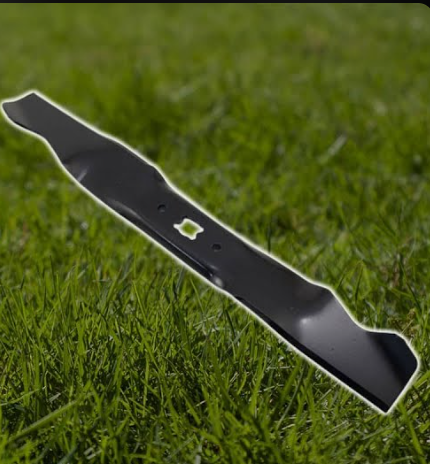
Use a sharp blade. A dull blade tears grass rather than cutting it cleanly. Torn grass tips turn brown and leave your new lawn looking ragged.
Keep mower wheels on firm ground where possible. Avoid tight turns on the sod itself. Start and stop your mower on a driveway or path, not on the lawn.
Common mistakes that damage new sod at mow time

Credit: https://www.creechlandscape.com/
Mowing too early. The most common mistake. If the sod has not rooted, even a light mower pass can pull it up or tear the root connections that have started to form.
Mowing when wet. Wet soil compacts under wheel weight and wet grass clumps under the mower deck. Both outcomes harm a new lawn that is still fragile.
Cutting too short on the first mow. Scalping new sod, cutting it very short, removes the leaf surface the plant uses to produce energy. A stressed new lawn with compromised roots and no leaf area to photosynthesize is a lawn that is likely to thin out or die in patches.
Not watering after the first mow. After mowing, water the lawn lightly. Mowing is a mild stress event for grass, and hydration helps recovery.
Frequently asked questions about mowing new sod
How long after laying sod can I mow?
Wait at least 14 days, and use the tug test to confirm roots have anchored before mowing. For cool-season grasses or sod laid in late fall, waiting 21-28 days is safer.
What happens if I mow new sod too early?
Mowing before roots establish can pull up sections of sod, compress fragile soil, and create bare patches. In dry conditions, it can also remove moisture-retaining leaf surface and cause the sod to dry out faster.
How short should I cut new sod on the first mow?
Apply the one-third rule: never cut more than one-third of the current blade height. If the grass is 3 inches tall, cut to 2 inches at the shortest. Keep your mower deck raised higher than you normally would.
Should I use a push mower or riding mower on new sod?
A push mower is better for new sod because it is lighter and causes less soil compaction. If you must use a riding mower, wait an extra week beyond when the tug test passes, and make sure the soil is firm before driving on it.
Can I walk on new sod before the first mow?
Minimal foot traffic is fine for watering and inspection. Avoid heavy or repeated foot traffic until after the first mow, when roots are better anchored.
Key takeaways
- Wait 14-21 days minimum before the first mow, longer for cool-season grasses.
- Use the tug test, not a calendar, as your final confirmation.
- Follow the one-third rule and keep your mower deck raised for the first few cuts.
- Never mow on soft or wet soil.
- A sharp blade and light post-mow watering help new grass recover faster.