How Long After Overseeding Can I Mow? The Answer by Grass Type

How Long After Overseeding Can I Mow? The Answer by Grass Type
TL;DR
- Wait at least 2-4 weeks after overseeding before running a lawn mower over the area.
- The real trigger is grass height, not calendar days – new seedlings need to reach 3 to 4 inches tall before the first cut.
- Mowing too early pulls seedlings out of the ground before their roots have anchored.
- Cool-season grasses like Kentucky bluegrass take longer to establish than warm-season grasses like Bermuda.
- Set your blade height to 3 inches or higher for the first mow after overseeding.
How Long Should You Actually Wait After Overseeding?
Credit: https://mowing.expert/
Wait 2 to 4 weeks after overseeding before mowing, but the more reliable rule is grass height. New seedlings need to reach 3 to 4 inches tall before you run a lawn mower over them. Mowing by height protects the roots – a calendar date alone doesn’t tell you whether the grass is ready.
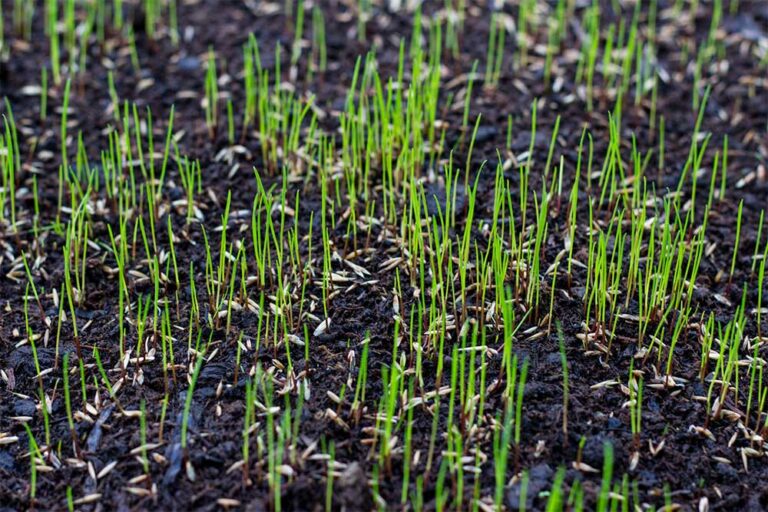
The 2-4 week window is a general estimate based on average germination times for common turf grass seed. Germination alone doesn’t mean the seedlings are safe to mow. You’re waiting for the roots to anchor into the soil, which happens after the shoots are visibly established above ground.
If you’re not sure, grab a single seedling between two fingers and tug gently. If it pulls free with almost no resistance, the roots aren’t set. Wait another week and test again.
Why Mowing Too Early Destroys New Grass
Mowing before new grass is established pulls seedlings out of the ground rather than cutting them. A lawn mower blade – even a sharp one – creates significant airflow and suction under the deck. Seedlings with shallow roots can’t hold against that force.
Think of it like trying to harvest carrots the week after you planted the seeds. The plant isn’t anchored yet. The same thing happens with grass: the shoot appears above soil before the root system has anything close to a firm grip.
There’s also physical damage to consider. Lawn mower wheels on soft, freshly seeded soil compact the ground and can crush germinating seeds that haven’t broken the surface yet. Even a lightweight push mower does real damage on soil that hasn’t had weeks to settle and firm up.
Germination and Establishment Times by Grass Type
Different grass types germinate and establish at different speeds. Cool-season grasses take longer on average than warm-season grasses, which affects how long you wait before the first mow after overseeding.
| Grass Type | Germination Time | Ready to Mow (Approx.) |
|---|---|---|
| Perennial ryegrass | 5-10 days | 3-4 weeks after seeding |
| Tall fescue | 7-12 days | 3-4 weeks after seeding |
| Kentucky bluegrass | 14-30 days | 5-6 weeks after seeding |
| Bermuda grass | 10-30 days | 4-6 weeks after seeding |
| Zoysia grass | 14-21 days | 5-6 weeks after seeding |
| Fine fescue | 7-14 days | 3-4 weeks after seeding |
Kentucky bluegrass is the slowest of the common cool-season varieties. If you overseeded with a bluegrass blend in fall, expect to wait closer to 6 weeks before the first mow. Perennial ryegrass germinates fast and can be ready in 3 weeks under good conditions.
These timelines assume adequate soil moisture and temperatures in the ideal germination range: 50-65°F soil temperature for cool-season grasses, 65-70°F for warm-season grasses (Penn State Extension, 2023).
How to Set Up Your First Mow After Overseeding
For the first mow after overseeding, set your blade height to 3 inches or higher and make sure the blade is sharp. A dull blade tears grass rather than cutting it cleanly, and new seedlings are especially vulnerable to that kind of tearing stress.
Follow these steps for the first cut:
- Check that all seedlings across the overseeded area have reached 3 to 4 inches – not just the fastest-growing patches.
- Make sure the soil has dried out enough that your mower wheels won’t sink in or leave ruts.
- Set the cutting height to 3 inches minimum – never remove more than one-third of the blade length in a single mow.
- Use a push mower if possible for the first pass – lighter weight means less compaction on still-settling soil.
- Avoid making tight turns, which can uproot seedlings at the pivot point.
The one-third rule applies here the same as it does for established turf. If new grass is 4 inches tall, cut it to no shorter than 2.7 inches. Cutting too short stresses the plant and forces it to redirect energy from root development back into regrowing shoots.
What Happens to Your Existing Lawn While You Wait

Credit: https://simplygreenlawncare.com/
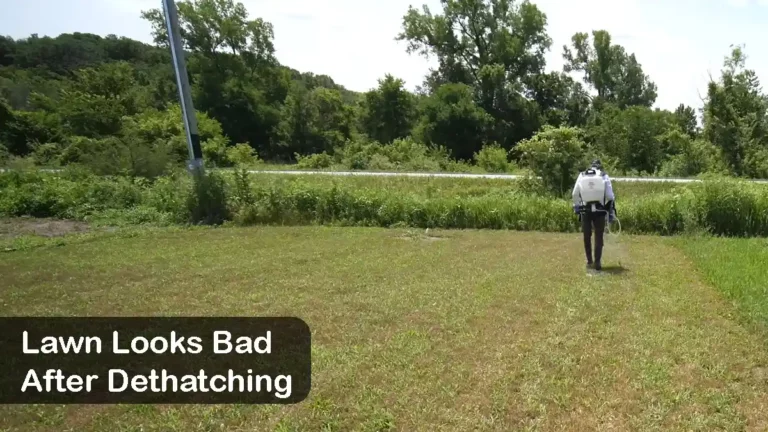
The existing grass in the overseeded area keeps growing during the 2-4 week wait. That’s normal and expected. You’re not supposed to mow the whole lawn less often just because you overseeded part of it – you just need to hold off on the overseeded zones.
If the existing turf is getting too long during the waiting period, mow around the overseeded areas and leave those sections alone. Mark the edges with a few flags or stakes if the boundary isn’t obvious.
One thing worth knowing: if you mowed the existing lawn short before overseeding – which is standard practice to improve seed-to-soil contact – the existing grass may recover slower than normal. That’s fine. The priority during the establishment window is the new seed, not the height of the surrounding turf.
Common Mistakes That Cost You a Full Reseeding
- Mowing by date instead of height: Two weeks after overseeding means nothing if the grass hasn’t reached 3-4 inches. Always check height before cutting.
- Using a riding mower too soon: A riding mower weighs 400 to 600 pounds. That kind of weight compacts soft soil and buries or crushes seedlings. Use a push mower for the first one or two passes.
- Watering too heavily right before mowing: Waterlogged soil is the worst surface to mow new grass on. Stick to light, frequent watering during germination and let the top inch dry slightly before you mow.
- Cutting too short on the first pass: Setting the blade to 2 inches after overseeding stresses seedlings and invites the existing weeds to fill back in faster than your new grass can compete.
- Skipping the blade sharpness check: A dull blade on new grass does more damage than almost any other single mistake. Sharpen or replace the blade before the first mow of the season.
Frequently Asked Questions
How long after overseeding can I mow?
Wait 2 to 4 weeks after overseeding, and confirm that new seedlings have reached 3 to 4 inches tall before you mow. Height is the more reliable indicator than days elapsed. Kentucky bluegrass and zoysia may need up to 6 weeks before they’re ready for the first cut.
What height should I mow after overseeding?
Set your blade to 3 inches or higher for the first mow after overseeding. Never cut more than one-third of the grass blade length in a single session. Cutting too short after overseeding slows root development and weakens new seedlings.
Can I mow while grass seed is still germinating?
No. Mowing before germinated seedlings have rooted pulls them out of the soil. Wait until all seeded areas show visible growth of at least 3 inches before running any lawn mower over the area.
Will mowing too early kill my new grass?
Yes, it can. Early mowing uproots seedlings, compacts wet soil, and causes physical damage from mower wheels and blade airflow. If you mow too early, some areas may need to be reseeded entirely.
Should I use a push mower or riding mower after overseeding?
Use a push mower for the first one or two cuts after overseeding. A riding mower’s weight – typically 400 to 600 pounds – compacts soft soil and can damage seedlings that haven’t fully anchored. Switch back to your riding mower once the lawn has firmed up after two or three mowing cycles.
How soon after overseeding can I walk on the lawn?
Stay off the lawn as much as possible for the first 3 to 4 weeks after overseeding. Light foot traffic for watering is fine, but repeated walking compresses soft soil and disturbs germinating seed. The less traffic during establishment, the better your germination rate.