Lawn Aeration Before and After: What Actually Changes and When

TL;DR
- Before aeration, compacted soil blocks water, air, and nutrients from reaching grass roots – causing thin, patchy, or spongy turf
- Aeration pulls small plugs of soil from the ground, opening channels directly into the root zone
- Plugs dissolve on their own within 2-4 weeks – you do not need to rake them up
- Visible improvement typically shows up 4-6 weeks after aeration, with full results by the end of the growing season
- Fall is the best time to aerate cool-season grasses; late spring works for warm-season grasses like Bermuda and Zoysia
What Your Lawn Looks Like Before Aeration
Credit: https://turfmasterslawncare.com/
A lawn that needs aeration shows specific, recognizable signs. The grass looks thin even when you water and fertilize regularly. Water puddles on the surface after rain instead of soaking in. When you push a screwdriver into the soil, it meets hard resistance before 2 inches deep.
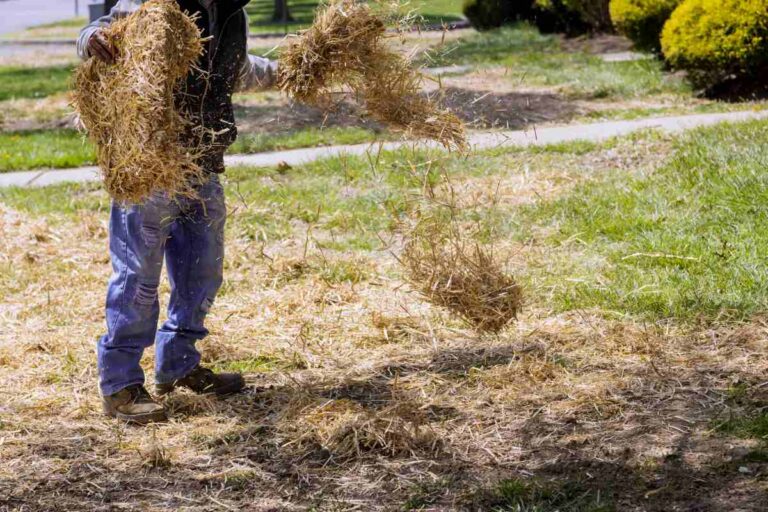
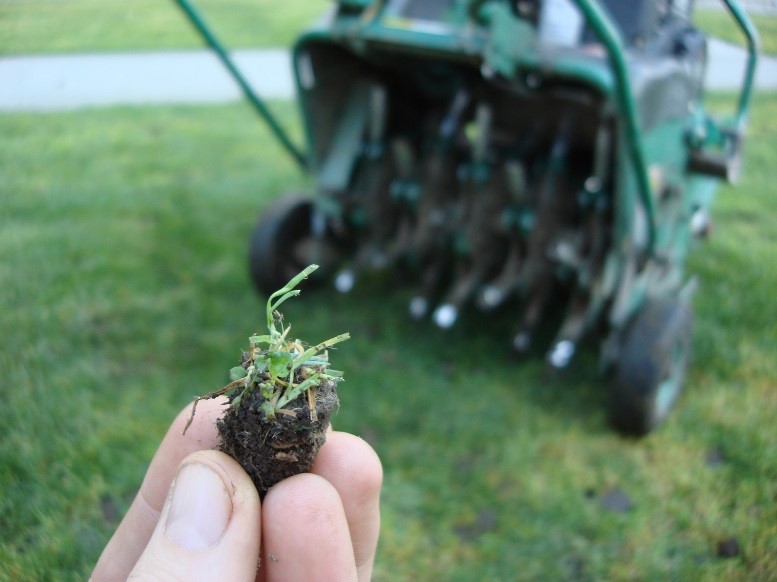
Thatch buildup is another sign. If you pull a small plug of turf and the layer between the grass blades and the soil is thicker than half an inch, your lawn is overdue. Thatch acts like a lid, sealing the soil surface and cutting off the root system from what it needs.
Foot traffic is the main cause of compaction. The University of California Cooperative Extension notes that lawns with heavy use – kids, pets, regular foot traffic – develop compaction faster than low-traffic areas. Clay-heavy soils compact even faster than sandy ones.
What Aeration Actually Does to the Soil
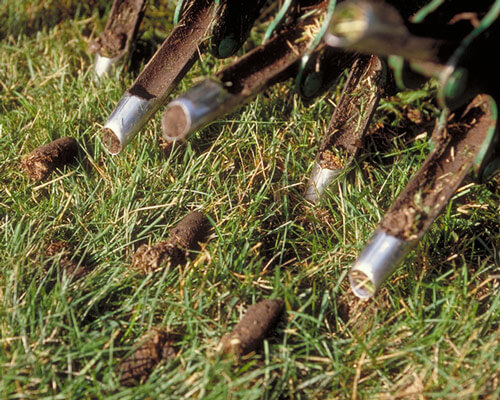
Core aeration uses a machine with hollow tines to pull cylindrical plugs of soil out of the ground. Each plug is roughly half an inch wide and 2-3 inches deep. The machine leaves holes across the entire lawn surface – typically spaced 2-6 inches apart depending on the equipment and settings.
Those holes are the mechanism. They give water a direct path into the root zone. They let oxygen reach soil microbes that break down organic matter. They reduce the physical pressure that was squeezing root cells and slowing growth.
Spike aeration – using solid tines or a rolling spike tool – does not remove soil. It pushes soil aside, which can worsen compaction over time. Core aeration is the method that produces measurable results (Purdue University Extension, 2023).
What the Lawn Looks Like Right After Aeration
Right after aeration, your lawn will look rough. Soil plugs sit on top of the grass in rows across the whole yard. The surface looks pocked and uneven. This is normal and expected.
The plugs are 2-3 inches long, dark with soil and roots, and they dry out within a day or two. Once dry, they crumble back into the holes during mowing or rainfall – returning organic matter and microbes directly into the aeration channels. Do not rake them up. They are doing work.
If you overseed immediately after aeration, the seeds fall into the open holes and make direct contact with soil. Germination rates are significantly higher when seed touches soil rather than sitting on top of thatch (Penn State Extension, 2022).
How Long Before You See Results
The timeline depends on grass type, soil condition, and what you do after aeration.
| Timeframe | What You Should See |
|---|---|
| Days 1-3 | Soil plugs drying and beginning to crumble |
| Week 1-2 | Plugs mostly dissolved; lawn surface returning to normal |
| Week 3-4 | Improved water absorption visible after rain or irrigation |
| Week 4-6 | Grass color deepening; thin patches starting to fill if overseeded |
| 3-6 months | Full root development; noticeably thicker, more even turf |
Soil type affects the speed. Sandy soil shows faster improvement because it drains freely once opened. Clay soil takes longer – the compaction is denser and recovery is slower, but the long-term results are just as significant.
What Speeds Up the After-Aeration Results
Three things applied immediately after aeration produce the best outcomes.
Overseeding fills bare patches while the soil channels are open. Use a seed type matched to your existing grass – tall fescue for cool-season lawns, Bermuda or Zoysia for warm-season lawns. Rake seed lightly if needed to push it toward the holes.
Fertilizing within 48 hours of aeration lets nutrients travel directly into the root zone through the open channels instead of sitting on the surface. Use a starter fertilizer with phosphorus if you overseeded (Scotts Lawn Care, 2024).
Watering consistently for the two weeks after aeration prevents the open channels from drying and collapsing before roots can expand into them. Water lightly and daily rather than deeply and infrequently during this window.
Common Mistakes That Slow Down Results
- Aerating at the wrong time: Cool-season grasses (Kentucky bluegrass, tall fescue) should be aerated in early fall, not midsummer. Aerating during heat stress opens wounds the grass cannot recover from quickly.
- Mowing too soon after overseeding: Wait until new seedlings reach 3-4 inches before mowing. Cutting too early pulls seedlings out before roots establish.
- Skipping irrigation: The two weeks after aeration are the most important for watering. Dry channels close up before they can deliver long-term benefit.
- Using a spike aerator: Rolling spike tools are widely sold but do not produce the same results as core aeration. Rent or hire a core aerator for real improvement.
Frequently Asked Questions
How long does it take to see results after lawn aeration?
Most homeowners see visible improvement 4-6 weeks after aeration. Full results – thicker turf, stronger color, better drought resistance – develop over the rest of the growing season, typically 3-6 months after the treatment.
What do the plugs left on the lawn after aeration do?
The plugs break down on their own within 2-4 weeks. As they crumble, they return soil and organic matter into the aeration channels. Raking them up removes that benefit – leave them in place.
Can I aerate and overseed at the same time?
Yes, and you should. Aerating before overseeding is the most effective combination in lawn care. Seeds fall into the open holes and make direct soil contact, which improves germination rates compared to spreading seed over compacted, thatchy ground (Penn State Extension, 2022).
How often should you aerate your lawn?
Most lawns benefit from aeration once a year. Lawns with heavy foot traffic, clay soil, or significant thatch buildup may need aeration twice per year – once in spring and once in fall.
Is it worth paying a professional to aerate or can I do it myself?
Both options work. Renting a core aerator runs $60-$100 for a half-day (Home Depot Tool Rental, 2024). Professional lawn aeration service typically costs $75-$200 for a standard residential lot (Angi, 2024). DIY saves money if you are comfortable operating the equipment; professional service saves time and is worth the cost for larger yards.