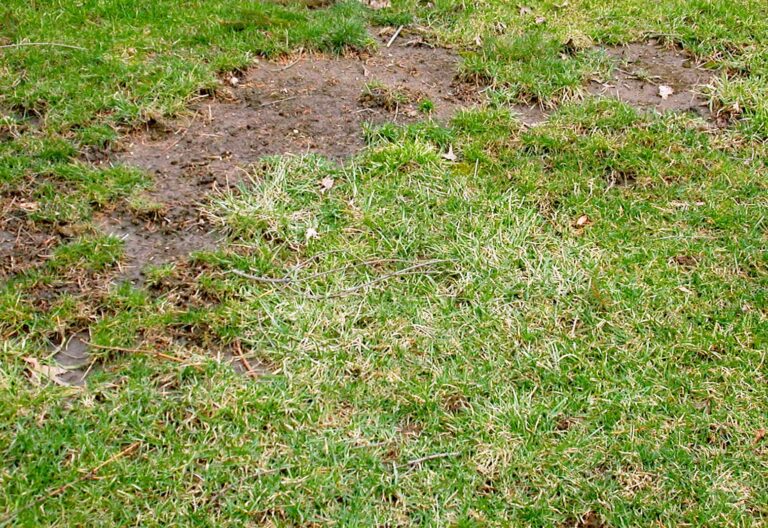
Why Is My Lawn Different Shades of Green? Causes and Fixes

TL;DR
- Uneven lawn color is most often caused by inconsistent fertilizer application, nitrogen deficiency in certain areas, or mixed grass types growing in the same yard
- Mowing with a dull blade, soil compaction, and thatch buildup can all block nutrients from reaching the root zone evenly
- Overwatering some areas while underwatering others produces visible color bands across a lawn
- A basic soil test ($15-$30 at most county extension offices or garden centers) identifies nutrient imbalances before you spend money on products that may not help
- Most uneven color issues respond to a consistent fertilization schedule, sharp blade maintenance, and proper watering depth
What Causes Different Shades of Green in a Lawn?
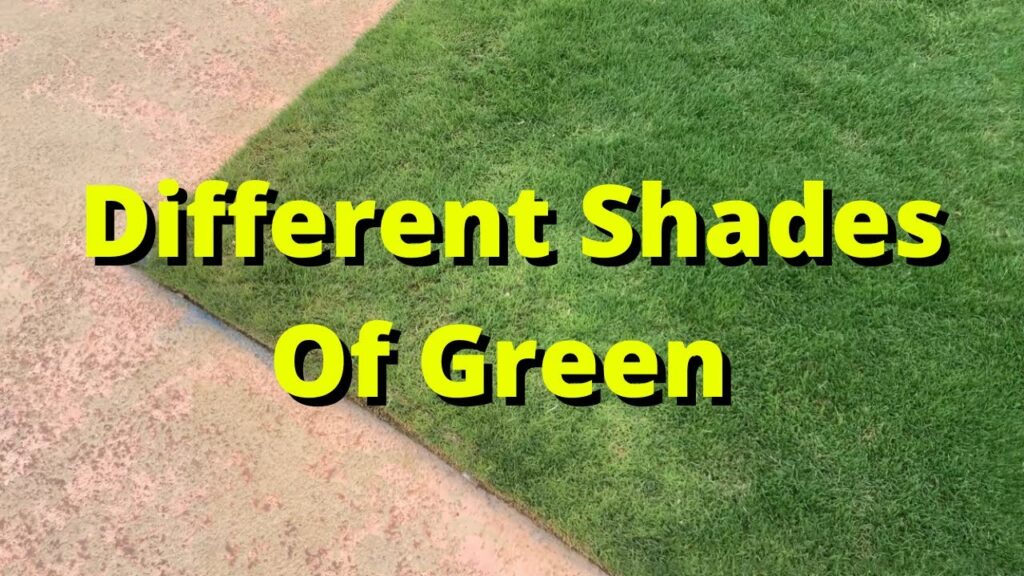
credit: https://storage.googleapis.com/
Uneven lawn color almost always traces back to one of four root causes: inconsistent nutrient distribution, mixed grass species or varieties, irregular watering, or a mowing problem. The green parts of your lawn are getting what they need. The lighter or yellow-green patches are not.
Before buying fertilizer or calling a lawn service, identify which cause applies to your yard. Treating a watering problem with fertilizer wastes money and can make the situation worse.
How Fertilizer Application Creates Uneven Color
The most common cause of patchy green color is uneven fertilizer coverage. If you applied granular fertilizer by hand or used a spreader with an inconsistent pattern, some areas received a full dose of nitrogen while adjacent patches received little or none.
Nitrogen is the nutrient most directly responsible for the dark green color in grass. Areas with adequate nitrogen photosynthesize at full capacity. Low-nitrogen areas produce less chlorophyll, which shows up as a lighter, yellow-green color.
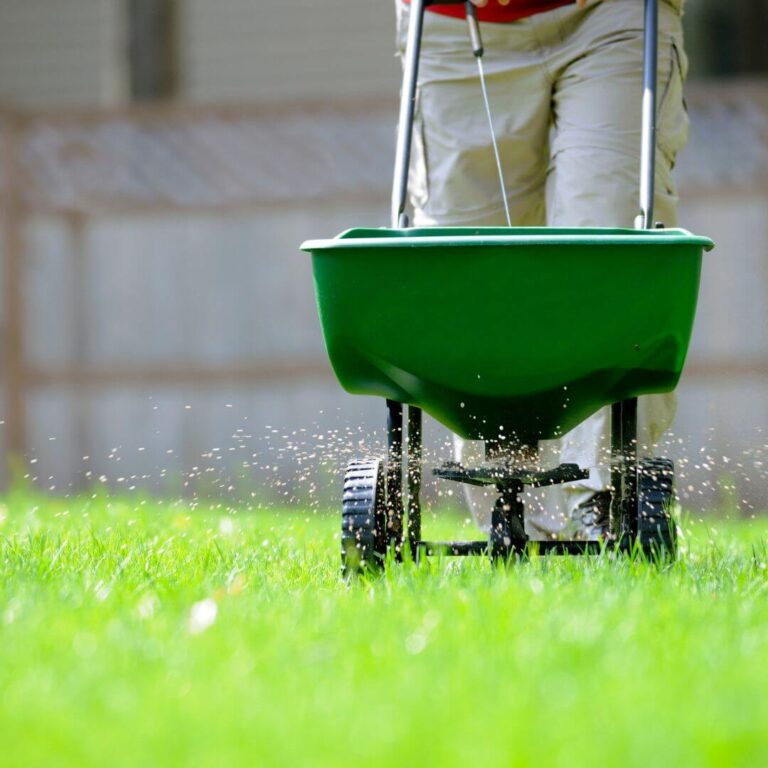
Granular spreaders can also cause “striping” – alternating dark and light green bands that follow the path you walked. This happens when the spread width overlaps too little or too much between passes.
Fix: Apply a slow-release granular fertilizer with a calibrated rotary spreader, overlapping each pass by about 30% to avoid gaps. Scotts and Lesco both publish spreader settings by product on their packaging.
Mixed Grass Types and Why They Color Differently
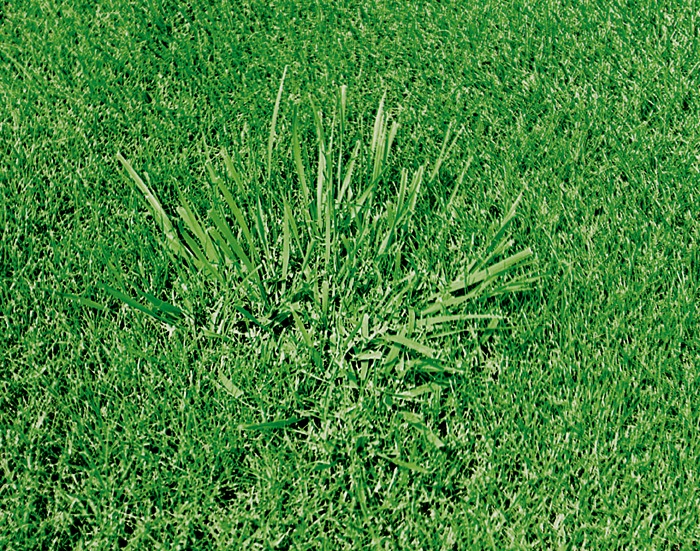
If your lawn has areas of lighter green that hold a consistent shape – following old garden bed edges, patches from reseeding, or strips along the fence line – you may be looking at two different grass types growing side by side.
Different grass species reflect light differently and reach different depths of green. Kentucky bluegrass runs darker than tall fescue. Perennial ryegrass can look almost blue-green next to fine fescue. Bermuda grass and zoysia have distinct color profiles from cool-season grasses even when both are healthy and well-fed.
There is no shortcut fix for mixed grass types. If the variation bothers you, full overseeding with a single consistent seed blend is the long-term solution.
How Watering Patterns Affect Lawn Color
credit: https://ecofamilylife.com/
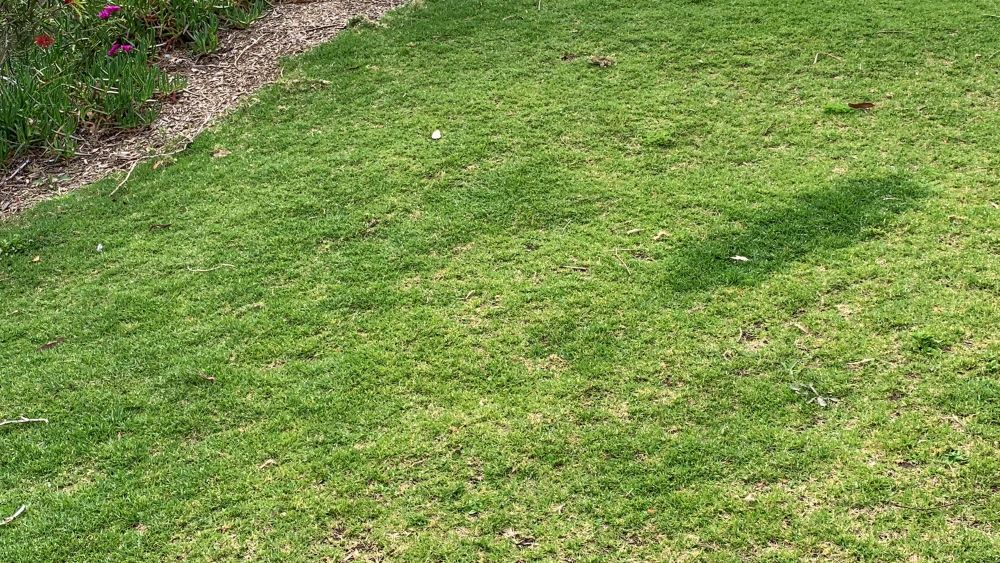
Irrigation systems with misaligned heads, low-pressure zones at the end of a run, or sprinklers with blocked nozzles create uneven moisture distribution. Grass that is consistently underwatered goes into mild stress and pulls back on chlorophyll production, producing a dull or gray-green look. Overwatered areas can develop thatch buildup or fungal issues that also disrupt color.
Walk your yard while your irrigation system runs. Note which heads cover their full arc and which do not. A single clogged nozzle can leave a 6-10 foot dry patch that shows up as discoloration within a week during summer heat.
Fix: Adjust or replace irrigation heads as needed. For areas without irrigation, water deeply and infrequently – about 1 inch per week, applied in two sessions rather than daily shallow watering (University of California Cooperative Extension, 2023).
What a Dull Mower Blade Does to Grass Color
A sharp blade cuts grass cleanly at the tip. A dull blade tears it. Torn grass tips turn white or tan at the cut edge, which gives the entire lawn a hazy, lighter appearance even when the underlying grass is healthy. This is not the same as different shades of green – it is a uniform bleaching that shows up two to three days after mowing.
If your lawn looks good the day you mow and then loses color by mid-week, a dull blade is the likely cause.
Sharpen your blade at least once per season, or after every 20-25 hours of mowing. For a lawn with rocks, roots, or dense coverage, sharpen more often.
Soil Compaction and Thatch as Hidden Color Blockers
Compacted soil and a thick thatch layer both prevent water and nutrients from reaching the root zone. Compaction is common in high-traffic areas – the path from the gate, the strip along the driveway, the area where kids play. These spots tend to run lighter green or yellowish because roots cannot expand and grass struggles to absorb what is applied to the surface.
A thatch layer over half an inch thick creates a similar problem. Water sits on top of the thatch and evaporates before reaching the soil, leaving the roots below it dry.
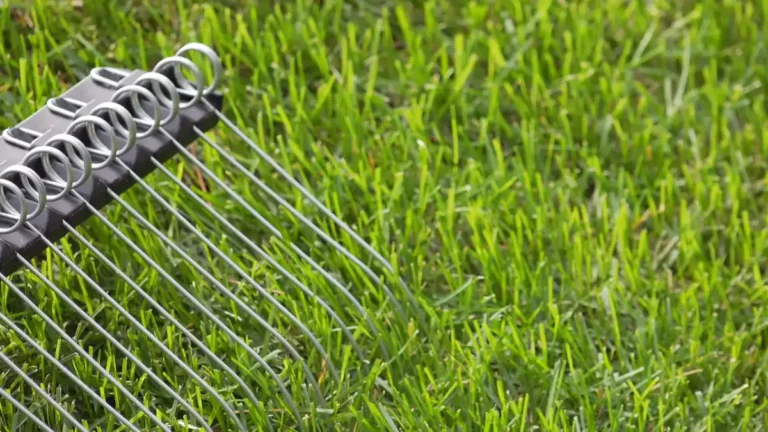
Fix: Aerate compacted areas in early fall or spring using a core aerator. Dethatch if the thatch layer exceeds half an inch. Both tasks are available as rental equipment at most Home Depot and Lowe’s locations for $60-$100 per day.
When to Get a Soil Test
If you cannot identify the cause visually, a soil test is the next step. A soil test shows pH, nitrogen, phosphorus, and potassium levels across your yard, and tells you exactly what is missing and where.
| Where to Get a Soil Test | Cost | Turnaround |
|---|---|---|
| County cooperative extension office | $15-$25 | 1-2 weeks |
| Private lab (e.g. Logan Labs, A&L Great Lakes) | $20-$45 | 3-7 days |
| Garden center kit (at-home) | $10-$20 | Same day |
| University extension program | Free-$30 | 1-3 weeks |
County extension labs are the most reliable option for actionable results because their recommendations are calibrated to your region’s soil conditions.
Common Mistakes That Make Uneven Color Worse
- Applying fertilizer without checking the spreader calibration – a miscalibrated spreader can deliver 2x or 0.5x the intended rate, creating stripes that last weeks
- Watering daily for short periods – shallow watering encourages shallow roots that stress faster in dry spells, intensifying color variation
- Mowing too low during summer heat – scalping removes the leaf blade where most photosynthesis happens, turning cut areas pale
Frequently Asked Questions
Why is my lawn lighter green in some spots after fertilizing?
Light green patches after fertilizing usually mean the fertilizer did not reach those spots, or the spreader pattern had gaps. Walk the area and check if it follows your mowing or spreading path. Apply a light pass over the missed areas.
Can different shade of green mean lawn disease?
Yes. Dollar spot fungus creates small bleached patches. Brown patch disease creates tan or light-green rings. If discoloration appears in circular or irregular shapes after periods of warm, humid weather, fungal disease is a more likely cause than nutrition. A local cooperative extension office can identify the pathogen from a grass sample.
How often should I fertilize to keep lawn color consistent?
Most cool-season lawns respond well to four applications per year: early spring, late spring, early fall, and late fall (Purdue Extension, 2022). Warm-season grasses like Bermuda and zoysia need feeding from late spring through midsummer and should not be fertilized after early fall.
Does grass type affect how dark green my lawn can get?
Yes. Kentucky bluegrass and improved bermudagrass varieties run naturally darker than tall fescue or centipede grass. If you want a deeper green across the whole lawn, the grass type growing in lighter patches may be a limiting factor that fertilizer alone will not change.
What does yellow-green grass in one area usually mean?
Yellow-green grass in a defined area usually points to iron deficiency, high soil pH, or standing water. Iron chlorosis – which shows up as yellowing between the leaf veins while the veins stay green – is common in alkaline soils. A soil test confirms pH. Liquid iron treatments provide a quick color response while you address the underlying pH issue with sulfur amendments.