Common Lawn Watering Mistakes That Damage Grass

TL;DR
- Watering at the wrong time of day (midday heat or late evening) is one of the most damaging habits for grass health.
- Most lawns need about 1 to 1.5 inches of water per week, including rainfall (EPA WaterSense, 2023).
- Frequent shallow watering trains roots to stay near the surface, making grass weaker and less drought-tolerant.
- Overwatering causes fungal disease, root rot, and compacted soil just as reliably as drought stress does.
- Fixing your watering schedule costs nothing and is the single fastest way to improve lawn health.
Why Your Watering Schedule May Be Hurting Your Lawn
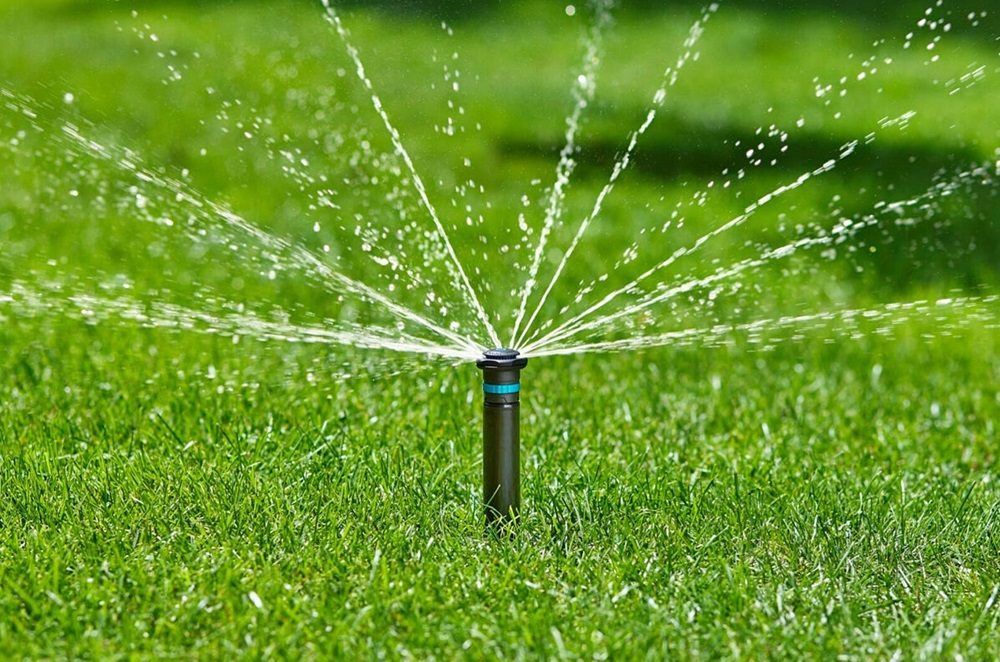
credit: https://gardenerbible.com/
Lawn watering mistakes are the leading cause of preventable grass damage in residential yards. Most homeowners either water too often, too shallowly, or at the wrong time of day – and each of those habits causes a different type of damage. Understanding what goes wrong and why makes it easy to correct.
Mistake 1: Watering Every Day Instead of Deep and Infrequent
Daily shallow watering is one of the most damaging habits for grass. When you water a little every day, roots have no reason to grow down. They stay in the top inch or two of soil, which dries out fast and leaves your lawn vulnerable the moment you skip a day or hit a heat wave.
The right approach is to water deeply two to three times per week. Each session should wet the soil to a depth of 6 to 8 inches – enough that roots grow down to find moisture rather than waiting at the surface. Most lawns need about 1 to 1.5 inches of water per week total, counting any rainfall (EPA WaterSense, 2023).
A simple test: push a screwdriver into the lawn after watering. If it doesn’t go down 6 inches without effort, you haven’t watered deeply enough.
Mistake 2: Watering in the Middle of the Day
Watering between 10 a.m. and 4 p.m. wastes a significant portion of your water to evaporation before it ever reaches the roots. On a hot summer day, that loss can reach 30% or more depending on wind and humidity (University of California Cooperative Extension, 2022).
Water early in the morning, ideally between 5 and 9 a.m. The soil absorbs it before the heat builds, the grass blades dry off during the day, and you lose almost nothing to evaporation.
Mistake 3: Watering at Night
Evening watering is just as harmful as midday watering, for the opposite reason. When grass stays wet overnight, it creates ideal conditions for fungal diseases like brown patch and dollar spot. Both spread quickly in warm, humid conditions and can damage large sections of lawn before you notice them.
If morning watering isn’t possible, early afternoon is a better choice than evening.
Mistake 4: Overwatering Until Water Runs Off
More water is not always better. Saturating the soil past the point of absorption causes water to run off the surface or pool in low spots. That runoff carries fertilizer and topsoil with it, and the standing water invites fungal problems and insect pressure.
A healthy lawn absorbs about 0.5 inches of water per hour on average. If you see runoff before that threshold, your soil may be compacted. Aerating once a year, typically in fall for cool-season grasses or late spring for warm-season grasses, fixes absorption problems without changing your watering schedule.
Mistake 5: Ignoring Rainfall When Setting Irrigation Schedules
A set-it-and-forget-it irrigation timer that runs on schedule regardless of rain is one of the easiest ways to overwater without realizing it. If your area gets an inch of rain on Tuesday and your system runs Thursday anyway, you’ve added water to soil that doesn’t need it.
A rain sensor or smart controller fixes this automatically. The Toro Smart Watering Kit and Rachio 3 are two options that adjust schedules based on local weather data. The EPA WaterSense program estimates that smart irrigation controllers save the average household around 8,800 gallons of water per year (EPA WaterSense, 2023).
Mistake 6: Using the Same Schedule for Shade and Sun Areas

credit: https://www.angi.com/
Shaded areas of your lawn dry out much more slowly than areas in direct sun. Running the same irrigation zone for both over-saturates the shade and potentially under-waters the sun. If your system allows zone-by-zone scheduling, reduce watering frequency in shaded areas by about 30 to 50%.
Grass types also matter here. Tall fescue and Kentucky bluegrass need more water than Zoysia or Bermuda grass. Running one schedule for a mixed lawn leads to one area suffering while the other drowns.
Watering Mistake Comparison
| Mistake | What It Damages | How to Fix It |
|---|---|---|
| Daily shallow watering | Shallow root system, drought vulnerability | Water deeply 2-3x per week instead |
| Midday watering | Water lost to evaporation, dry soil | Switch to 5-9 a.m. window |
| Evening watering | Fungal disease on blades and roots | Water in morning; avoid evening |
| Overwatering / runoff | Soil compaction, fertilizer loss, fungus | Aerate annually; reduce session length |
| Ignoring rainfall | Overwatered soil, root rot | Use a rain sensor or smart controller |
| Uniform scheduling | Over/under-watering by zone | Set separate schedules for sun vs. shade |
Frequently Asked Questions
How much water does a lawn need per week?
Most lawns need 1 to 1.5 inches of water per week, including any rainfall (EPA WaterSense, 2023). Sandy soils dry out faster and may need slightly more. Clay soils hold moisture longer and often need less.
What is the best time of day to water grass?
Early morning, between 5 and 9 a.m., is the best time to water your lawn. The soil absorbs moisture before the heat of the day, and the grass blades have time to dry completely, which reduces the risk of fungal disease.
How do you know if you’re overwatering your lawn?
Signs of overwatering include yellowing grass, a spongy feel underfoot, mushroom growth, and patches of brown patch or dollar spot fungal disease. If your lawn feels wet to walk on for more than a day after watering, you’re applying too much.
Can overwatering kill grass?
Yes. Overwatering cuts off oxygen to the roots by saturating the soil, which leads to root rot. It also creates conditions for fungal diseases that spread quickly. Overwatered grass often shows the same yellow-brown symptoms as drought stress, which leads homeowners to water even more and make the problem worse.
Does watering at night damage grass?
Watering at night leaves grass blades wet for hours, which is the main condition that triggers fungal diseases like brown patch and dollar spot. Morning watering is always the better choice. If you have no option but to water in the evening, reduce the frequency and monitor for signs of fungal activity.
How deep should water penetrate after irrigation?
Water should penetrate 6 to 8 inches into the soil after each session. Check depth by pushing a screwdriver or thin soil probe into the ground after watering. It should slide in easily to that depth. If it doesn’t, extend the watering time or break it into two shorter cycles with a 30-minute break between them to improve absorption.