Lawn Mower Blades: Types, When to Replace, and How to Tell

TL;DR
- There are three main blade types: standard, mulching, and high-lift – each built for a different mowing job
- A blade typically needs sharpening every 20-25 hours of mowing, or about once per season for most homeowners (Briggs & Stratton)
- A dull blade tears grass instead of cutting it, which opens the lawn to disease and heat stress
- Replace a blade outright if it has cracks, a bent tip, or metal worn thin near the center hole
- Replacement blades cost $10-$40 depending on mower brand and blade type (Lowe’s, 2024)
What Are Lawn Mower Blades and What Do They Actually Do?
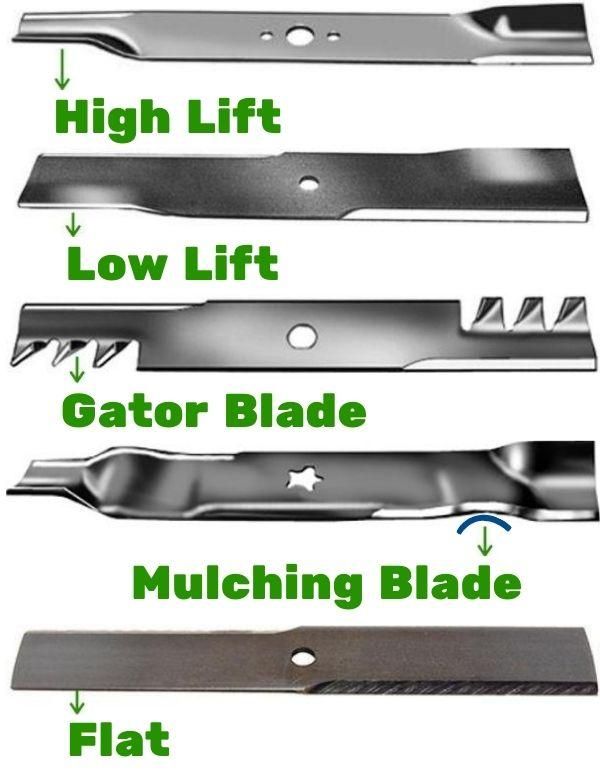
Credit: artofit.org
A lawn mower blade is a hardened steel cutting edge that spins at 150-200 mph under the deck to slice grass at a set height. The shape of the blade determines more than just cut quality – it controls whether clippings are discharged, bagged, or mulched back into the soil. Choosing the wrong blade type for your mowing setup is one of the most common reasons a lawn looks ragged after a fresh cut.
The Three Main Types of Lawn Mower Blades
Most homeowners will only ever deal with one of these three blade types, depending on what came on their mower from the factory.
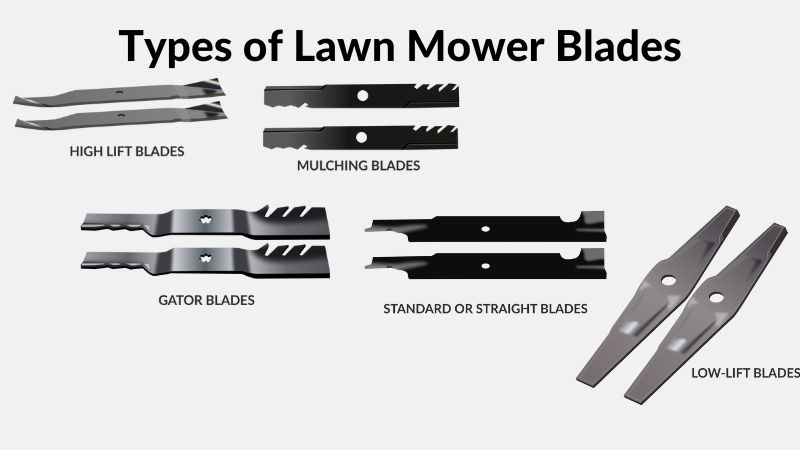
Standard blades (also called 2-in-1 or straight blades) have a slight lift on each end and are built to cut and discharge or bag clippings. They work on flat terrain with average grass growth. Toro Recycler and Craftsman M105 mowers typically ship with a standard blade.
Mulching blades have a curved cutting edge along more of the blade’s length, which chops clippings into finer pieces and pushes them back into the turf. They work best on dry grass at regular mowing intervals. Running a mulching blade on tall or wet grass clogs the deck fast.
High-lift blades have a pronounced upward bend on the ends that creates strong suction airflow under the deck. They pull grass upright before cutting and throw clippings into the bag efficiently. They are best for thick, fast-growing grass or sandy soil conditions, though they put more load on the engine.
| Blade Type | Best For | Clipping Handling | Common On |
|---|---|---|---|
| Standard | Average grass, flat yards | Discharge or bag | Most entry-level mowers |
| Mulching | Regular mowing, dry grass | Returns to lawn | Honda GCV160, Toro |
| High-lift | Thick grass, bagging | Bag | Husqvarna, John Deere E100 |
How to Tell When Your Blade Needs Attention
Credit: https://www.electronicshub.org/
A dull blade tears grass blades rather than cutting them cleanly. That torn edge turns brown within a day or two, giving the lawn a grayish, scorched look after mowing. If your grass tips look ragged the morning after you cut, the blade is the first thing to check.
Beyond dullness, look for these signs that a blade needs replacing, not just sharpening:
- Cracks or fractures anywhere along the blade body
- A visible bend or warp when you hold the blade flat
- Metal worn thin around the center hole where it mounts to the spindle
- Nicks deeper than 1/4 inch that can’t be ground out evenly
A cracked or bent blade is a safety issue. At 180 mph of tip speed, a blade fragment can travel like shrapnel. If you see a crack, the blade comes off and goes in the trash – no sharpening it back into service.
How Often Should You Sharpen or Replace a Lawn Mower Blade?
Sharpen the blade every 20-25 hours of mowing time, which works out to roughly once per season for a homeowner cutting a typical suburban lot (Briggs & Stratton). If you mow more frequently, have sandy soil that dulls steel faster, or regularly hit sticks and landscape edging, sharpen every 10 hours instead.
Replacement rather than sharpening becomes the right call when:
- The blade has been sharpened so many times the cutting edge has moved significantly toward the center
- The blade is visibly thinner near the mounting hole than when it was new
- Any crack or bend is present
A new OEM blade from Oregon or Arnold (two of the most common aftermarket blade brands) costs $10-$25 for standard residential mowers. John Deere and Husqvarna OEM blades run $25-$40 (Lowe’s, 2024).
Common Blade Mistakes That Cost You More in the Long Run
- Skipping blade balancing after sharpening: An unbalanced blade vibrates the deck, which wears out spindle bearings faster. A blade balancer costs about $5 at any hardware store – use one every time.
- Running the wrong blade type: Putting a high-lift blade on an underpowered mower strains the engine and reduces blade life. Check your mower manual for the manufacturer’s recommended blade part number.
- Waiting too long to sharpen: A dull blade doubles the work your engine does and stresses the grass. The ragged cut creates entry points for fungal disease, especially in summer heat.
Frequently Asked Questions
How much does a replacement lawn mower blade cost?
Replacement blades cost $10-$40 depending on blade type and mower brand. Standard blades for common residential mowers like the Craftsman M105 or Toro Recycler run $10-$20. OEM blades for John Deere and Husqvarna models run $25-$40 (Lowe’s, 2024).
How do I know what blade fits my mower?
Check the model number on your mower’s deck or engine housing, then look up the manufacturer’s recommended blade part number in the owner’s manual or on the brand’s website. Oregon and Arnold both maintain cross-reference databases by model number.
Can I sharpen a lawn mower blade myself?
Yes. Most homeowners can sharpen a blade with an angle grinder or a dedicated blade sharpener in 10-15 minutes. The key steps are removing the blade safely (disconnect the spark plug wire first), sharpening at the original angle, and balancing before reinstalling.
What happens if I never sharpen or replace the blade?
A chronically dull blade tears grass instead of cutting it, weakens turf over time, and makes the engine work harder, which shortens engine life. In severe cases, torn grass tips create widespread disease pressure across the lawn.
Are aftermarket blades as good as OEM blades?
Oregon and Arnold aftermarket blades are reliable replacements for most residential mowers and cost less than OEM options. For commercial mowers or machines still under warranty, OEM blades are the safer choice to avoid voiding coverage.