How to Make a Lawn Mower Faster: 7 Methods That Actually Work

TL;DR
- The single biggest speed gain on most riding mowers comes from cleaning the deck and sharpening the blade – a bogged-down engine runs slow before you touch anything mechanical
- Tire pressure, belt condition, and air filter replacement are free or near-free fixes that recover lost speed
- Governor adjustment is the most-searched method and the most misunderstood – it carries real risk of engine damage and warranty loss
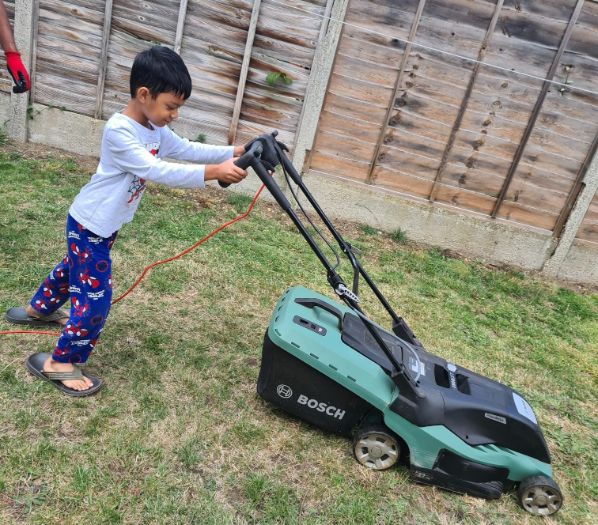
- Walk-behind mowers have almost no legitimate speed modifications available
- Most riders can recover 15-25% of lost ground speed through maintenance alone before touching any mechanical setting
Why Your Mower Is Slower Than It Should Be
Credit: https://bestsowftware.com/
Most riding mowers that feel sluggish are not mechanically limited – they are maintenance-neglected. A dirty deck, dull blade, clogged air filter, or worn drive belt forces the engine to work harder and move slower. Fix those first. They cost less than $50 combined and recover more speed than most mechanical modifications.
If your mower has always felt slow since you bought it, that is a different problem – covered in the governor section below.
Method 1: Clean the Deck and Sharpen the Blade
A packed deck makes your engine drag against resistance on every rotation. Grass and mud buildup under the deck can add several pounds of rotational resistance, which pulls engine RPM down and slows ground speed on self-propelled and hydrostatic drive systems.
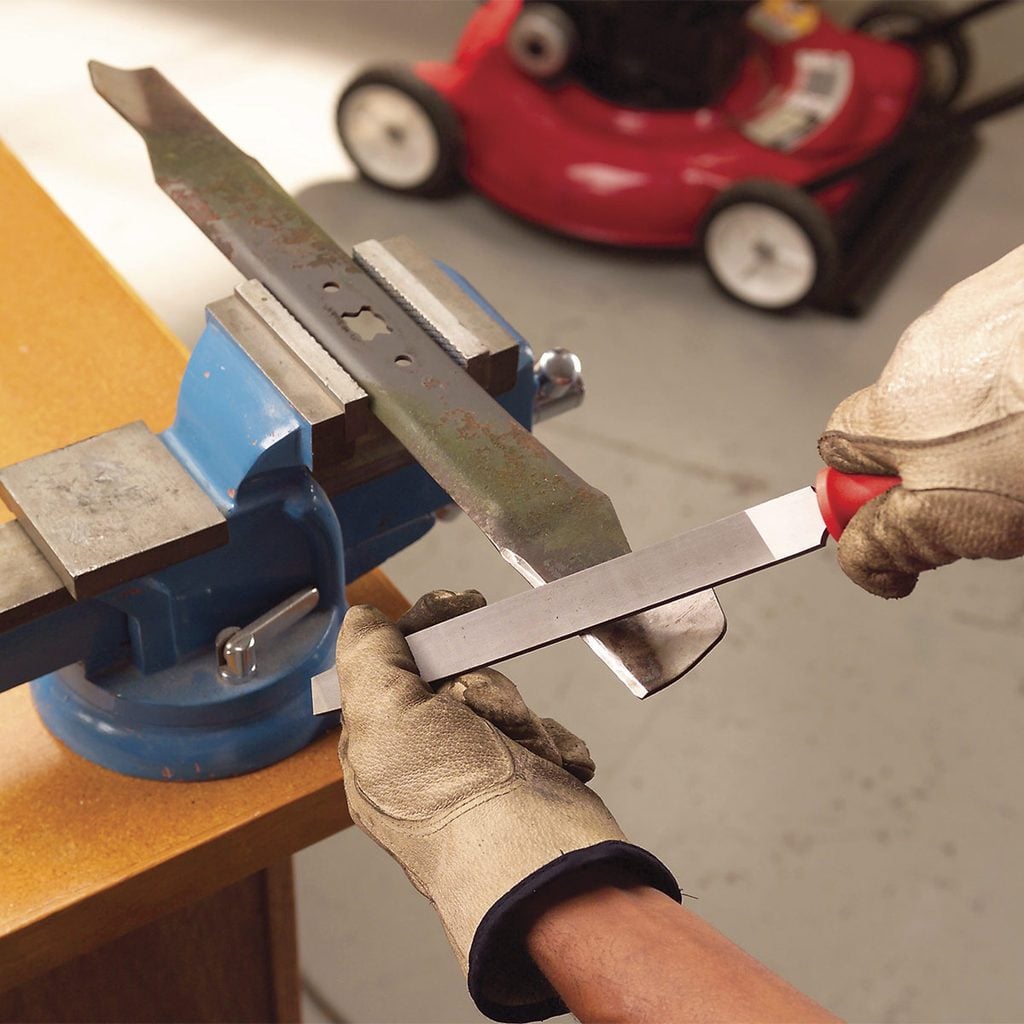
Scrape the underside of the deck with a putty knife after every 10-15 mowing hours. Sharpen the blade at least once per season – a dull blade requires more engine effort to cut, which robs power from the drive system. Blade sharpening costs $10-$20 at most small engine shops, or you can do it yourself with a file or angle grinder.
Method 2: Check and Correct Tire Pressure
Low tire pressure on a riding mower increases rolling resistance and throws off deck height calibration. Both slow you down.
Most riding mower tires run at 10-14 PSI – check the sidewall of your specific tire for the correct rating. An underinflated rear tire on a hydrostatic drive mower can reduce ground speed by 5-10% and cause uneven cutting. Check pressure cold, before the first mow of the day.
Method 3: Replace the Air Filter
A clogged air filter starves the engine of oxygen, which drops combustion efficiency and reduces available power. Less power means slower blade engagement and reduced drive response.
Paper air filters on most riding mowers cost $8-$15 and take five minutes to replace. Replace annually, or more often if you mow in dusty conditions. A dirty air filter is like trying to run a marathon while breathing through a wet cloth – the engine is working at a fraction of its potential.
Method 4: Inspect and Replace the Drive Belt
The drive belt transfers engine power to the transmission and blade deck. A worn, glazed, or cracked belt slips under load, which means power is lost before it ever reaches the wheels or blade.
Hold a flashlight to the belt and look for fraying, cracking, or a shiny glazed surface. A new drive belt costs $20-$45 depending on the mower model. Replacing a slipping belt often restores the ground speed the mower had when it was new.
Method 5: Use Fresh Fuel With No Ethanol
Old fuel or high-ethanol blends reduce combustion efficiency in small engines. Ethanol absorbs moisture over time and burns less completely than pure gasoline, which lowers power output.
Use fresh fuel – no more than 30 days old – and choose ethanol-free gasoline where available. Most stations that carry recreational fuel (labeled as rec fuel or 90+ octane non-ethanol) sell it at the pump. The difference is noticeable on engines over two years old. (Small Engine Research Institute, 2023)
Method 6: Adjust the Throttle Cable
If your throttle cable has stretched or slipped at the bracket, the engine may not be reaching full RPM even when the lever is at maximum. Full throttle on most riding mower engines should produce 3,100-3,600 RPM – if yours is running low, the throttle cable or carburetor high-speed jet may need adjustment.
Take this to a small engine shop if you are not comfortable adjusting the carburetor. A throttle cable adjustment is a 15-minute job at most shops and costs $20-$40 in labor.
Method 7: Governor Adjustment – What You Need to Know First
The governor on a small engine limits maximum RPM to protect the engine from over-revving under no-load conditions. Adjusting or removing it is the most-searched method for making a mower faster, and it carries the most risk.
What the governor actually does: It holds RPM within a safe range – typically 3,600 RPM maximum on most residential engines. Exceeding that limit causes accelerated wear on piston rings, connecting rods, and bearings. Engines are not built with headroom above the rated RPM.
The real risks:
- Voiding the engine warranty immediately
- Connecting rod failure at high RPM – which can punch through the engine block
- Increased blade tip speed, which raises the risk of projectile ejection
Credit: https://mowing.expert/
When it is legitimate: Some stock mowers leave the factory with the governor set conservatively below the engine’s rated RPM. A qualified small engine mechanic can check whether your engine is running below its rated spec and adjust it to the correct factory limit – not beyond it. That is a legitimate tuning step. Removing or bypassing the governor entirely is not.
If you want a faster mower and the above methods are not enough, the right answer is a mower with a higher rated ground speed – not a modified governor on a residential engine.
Speed Gains by Method – What to Expect
| Method | Estimated Speed Recovery | Cost | Risk Level |
|---|---|---|---|
| Deck cleaning + blade sharpening | 10-20% | $0-$20 | None |
| Tire pressure correction | 5-10% | $0 | None |
| Air filter replacement | 5-10% | $8-$15 | None |
| Drive belt replacement | 10-15% | $20-$45 | None |
| Fresh ethanol-free fuel | 3-8% | $5-$10/tank | None |
| Throttle cable adjustment | 5-15% | $0-$40 | Low |
| Governor adjustment to factory spec | 10-20% | $40-$80 labor | Medium – shop only |
| Governor removal/bypass | Unpredictable | Variable | High – not recommended |
What to Do If Something Goes Wrong
| Problem | Likely Cause | Fix |
|---|---|---|
| Mower surges after throttle adjustment | Carburetor needle out of spec | Re-adjust or take to shop |
| Belt squealing after replacement | Wrong belt size or misaligned pulley | Verify part number and pulley alignment |
| Engine knocking after fuel change | Water in fuel from ethanol blend | Drain tank, refill with fresh ethanol-free fuel |
| Speed improved then dropped again | Worn transmission or hydrostatic fluid low | Check hydrostatic fluid level; service transmission |
Frequently Asked Questions
How much faster can I make my riding mower?
Through maintenance alone – deck cleaning, belt replacement, air filter, and tire pressure – most neglected mowers recover 15-25% of ground speed. That can mean the difference between 4 mph and 5.5 mph on a typical residential rider. Mechanical modifications beyond maintenance carry diminishing returns and real risk.
Is it safe to adjust the governor on a lawn mower?
Adjusting the governor to the engine’s rated factory RPM limit, done by a qualified mechanic, is safe. Removing or bypassing the governor to exceed rated RPM is not – it risks engine failure and increases blade projectile hazard. The two are not the same thing, though they are often described the same way online.
Why is my new mower already slow?
New mowers sometimes feel slow because the throttle cable is not fully seated, the deck is still stiff from factory assembly, or the ground speed setting was shipped conservatively. Check that the throttle lever reaches true full throttle – you should hear a noticeable RPM increase. If the cable is slack, adjust the cable tension at the bracket.
Can I make a walk-behind push mower faster?
Walk-behind push mowers have almost no practical speed modifications. Self-propelled models drive through a friction disc or belt system that has no user-adjustable speed increase. The only real option is a faster mower. Variable-speed self-propelled models let you dial up to their maximum – usually 3.5-4.5 mph – which is the limit of the drive system.
How often should I do maintenance to keep my mower at full speed?
Sharpen the blade once per season or every 25 hours of use. Replace the air filter annually. Check tire pressure at the start of each season. Inspect the drive belt every spring and replace it if it shows wear. Clean the deck after every 10-15 hours of mowing. Those five habits keep a riding mower running at rated speed for the life of the engine.
Quick Recap
- Clean the deck and sharpen the blade first – this is where most lost speed hides
- Check tire pressure, replace the air filter, and inspect the drive belt before touching anything mechanical
- Use fresh ethanol-free fuel for measurable power recovery
- Governor adjustment to factory spec is legitimate; governor removal is not
- If maintenance does not get you where you want to be, the answer is a faster mower – not a modified one