Why Are There So Many Worms in My Yard?

TL;DR
- A yard full of worms is almost always a sign of healthy soil – not a problem to fix.
- Worms appear in large numbers after rain because wet conditions force them to the surface for oxygen.
- High populations are driven by moist soil, organic matter from grass clippings or compost, and minimal pesticide use.
- The only situation where worms become a concern is if surface castings are leaving bumpy clumps on a lawn you’re trying to keep smooth.
- If you want to reduce worm activity near the surface, the fix is simple: improve drainage and reduce thatch.
What Worms in Your Yard Actually Mean
credit: https://permaculturepractice.com/
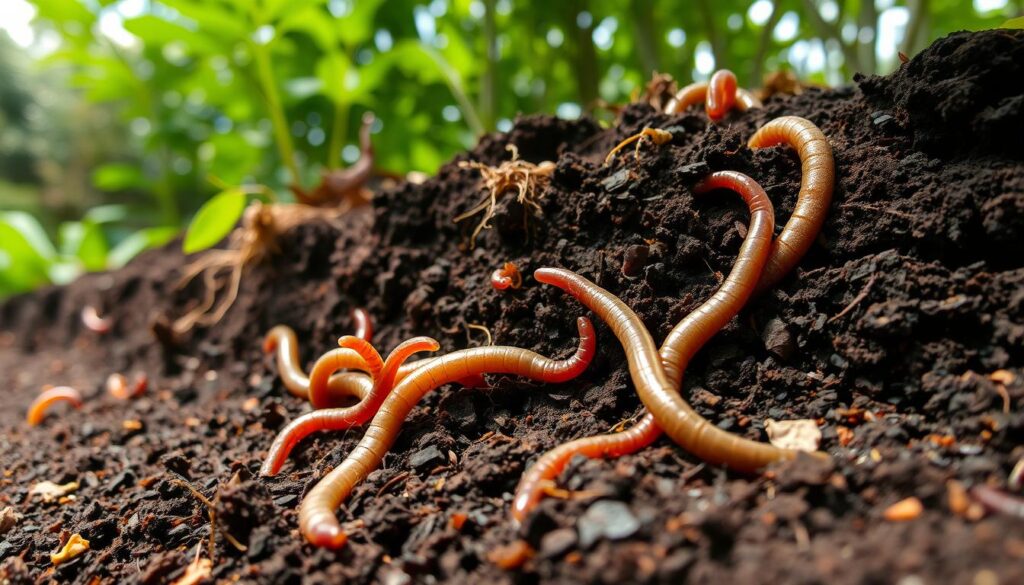
A high earthworm population is one of the clearest signs that your soil is in good shape. Earthworms need three things to thrive: moisture, organic matter to eat, and loose soil they can move through. If your yard has all three, worms will multiply. That is not a pest problem – that is your lawn doing what healthy lawns do.
University of Illinois Extension describes earthworms as “nature’s tillers,” noting that their tunneling aerates soil and improves water infiltration (University of Illinois Extension, 2022). A single healthy lawn can support a population of around 50 to 500 earthworms per square foot of surface area in peak conditions, though densities vary widely by region, soil type, and season (USDA Natural Resources Conservation Service, 2021).
Why Worms Come to the Surface After Rain
After heavy rain, earthworms move to the surface because saturated soil fills their air pockets with water. Worms breathe through their skin, and they need oxygen to survive – when the soil becomes waterlogged, they head up to breathe and move.
This is normal behavior, not distress. Once the soil dries out, most worms return underground. The ones you see on sidewalks and driveways after a storm are the ones that traveled too far and got stranded, not the entire population of your yard abandoning the soil.
If you see dozens of worms on the surface during or after rain, your soil likely has a dense, active population. That is a good sign for your lawn’s long-term health.
What Makes Worm Populations So High in Some Yards
Several specific conditions cause earthworm numbers to spike in a particular yard:
Organic matter in the soil. Worms eat decomposing plant material – grass clippings left on the lawn, fallen leaves worked into the surface, or compost mixed into garden beds. The more organic material available, the more food for worms, and the larger the population grows.
Consistent soil moisture. Worms cannot survive in dry soil. Yards that retain moisture well – whether from clay content, regular irrigation, or shade – support far more worms than dry, sandy lawns.
Low pesticide use. Many common lawn pesticides, including some grub-control products and broad-spectrum insecticides, reduce earthworm populations significantly. Yards that avoid heavy chemical treatment tend to have higher worm counts (Cornell Cooperative Extension, 2020).
Thatch layer. A thin layer of decomposing thatch at the soil surface provides exactly the kind of organic material worms eat. Worms are part of the natural thatch-breakdown process.
When Worm Castings Become a Lawn Problem
credit: https://globalowls.com/
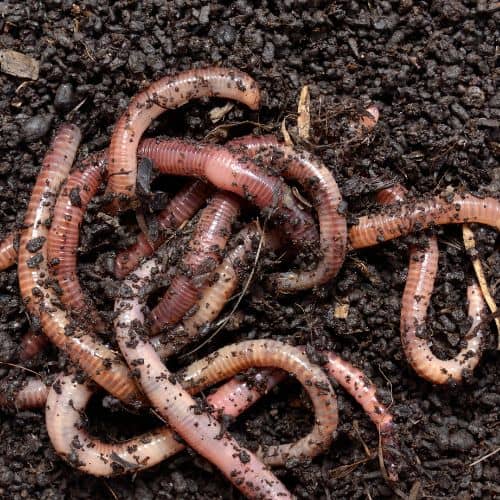
Worm castings – the small, coiled mounds of soil worms leave on the surface – are a sign of an active population, but they can create an uneven lawn surface if the population is large enough. Each casting is a small lump of processed soil, and in a very active yard, enough of them accumulate to make a lawn feel bumpy underfoot or uneven under a mower.
This is the one situation where you might want to manage worm activity near the surface. It does not mean the worms themselves are a problem – it means the surface expression of their activity is affecting how your lawn looks or feels.
| Worm Activity Level | What You See | Lawn Impact |
|---|---|---|
| Low to moderate | Occasional castings after rain | No visible impact |
| Moderate to high | Regular casting mounds on surface | Minor surface unevenness |
| Very high | Dense casting fields across lawn | Noticeable bumpiness; clumping under mower |
How to Reduce Surface Worm Activity Without Harming Your Lawn
If casting mounds are creating a problem, the approach is to make the surface less hospitable without damaging your soil health:
Improve drainage. Worms move to the surface when soil is saturated. Core aerating your lawn in fall – with a tool like the Yard Butler ID-6C or a rented walk-behind aerator – reduces compaction and helps water drain through instead of pooling at the surface.
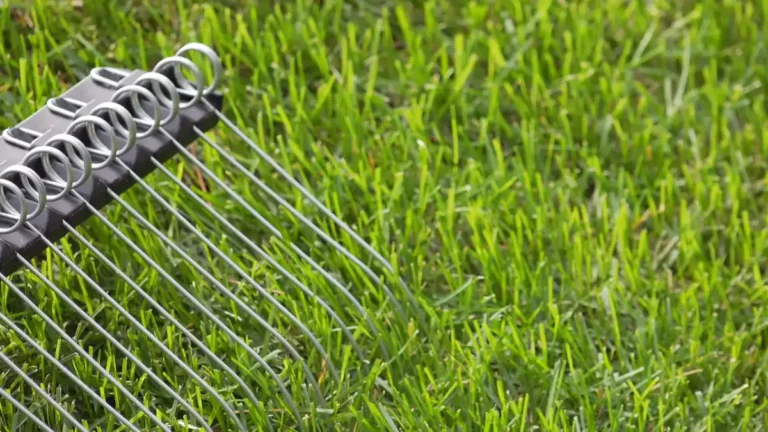
Reduce thatch. Dethatch if your thatch layer exceeds half an inch. Heavy thatch keeps the soil surface wet and gives worms more reason to stay near the top. A standard tow-behind dethatcher or a manual thatching rake handles most residential lawns.
Mow and remove clippings temporarily. If you typically mulch your clippings back into the lawn, switching to bagging during periods of high surface casting activity reduces the food supply at the surface and shifts worm feeding deeper into the soil.
Do not use lime to chase worms away. You will find this advice online. It does not work reliably and adjusting soil pH without a soil test causes more problems than it solves (Penn State Extension, 2023).
Are Invasive Jumping Worms a Different Problem?
Yes. The Asian jumping worm (Amynthas agrestis), also called snake worm or crazy worm, is a different situation from common nightcrawlers. Jumping worms are invasive in much of the eastern and midwestern United States and cause real soil damage. Unlike native earthworms, jumping worms consume the entire organic layer of the soil, leaving behind a granular, coffee-ground-like casting that drains poorly and is difficult for plants to root in.
Signs you may have jumping worms instead of native species:
- Worms thrash violently when disturbed and may shed their tail
- Castings look like dry coffee grounds or small pellets in large patches
- The soil surface feels loose and unusually dry even after rain
- Worms are found at the very surface of the soil, not deeper underground
If you suspect jumping worms, contact your local cooperative extension office. There is no approved pesticide for jumping worm control as of 2024, and the main management strategy is prevention – avoiding moving soil, mulch, or plants from infested areas (Wisconsin DNR, 2024).
Frequently Asked Questions
Why are there so many worms in my yard after it rains?
Rain saturates the soil and cuts off the oxygen supply worms need to breathe through their skin. They move to the surface to get air and often to travel across wet ground. Once the soil dries, most return underground. It is a normal response to wet conditions, not a sign that something is wrong with your yard.
Are lots of worms good or bad for a lawn?
Mostly good. High earthworm populations improve soil aeration, break down thatch, and add nutrients through their castings. The only downside is surface casting mounds, which can cause minor bumpiness in lawns with very dense populations. The worms themselves are not damaging the grass.
How do I get rid of worms in my yard?
You generally should not try to eliminate earthworms – they benefit your soil. If surface casting mounds are an issue, improve drainage through core aeration and reduce the organic matter at the soil surface. Worm populations naturally shift deeper when the surface becomes less hospitable.
What is the difference between regular worms and jumping worms?
Native earthworms like nightcrawlers move slowly, stay deeper in the soil, and leave rounded castings. Jumping worms (Amynthas agrestis) thrash aggressively when touched, live near the surface, and leave dry, granular castings that look like coffee grounds. Jumping worms are invasive and damage soil structure in ways native worms do not.
Can I use worms from my yard for composting or fishing?
Yes, if they are native species like nightcrawlers (Lumbricus terrestris). They work well in worm bins and as fishing bait. Do not use jumping worms for composting – they process material too fast and the castings they produce are not suited for garden beds. Check with your state’s extension office about regulations on using or transporting worms across county lines for fishing purposes.
Do worms damage grass roots?
No. Earthworms do not eat living plant material. They eat decomposing organic matter – dead grass, leaf debris, and fungal material in the soil. Their tunnels and castings are generally beneficial for grass root growth by loosening compacted soil and improving drainage.