How Much Does a Lawn Mower Weigh? A Complete Guide by Type

TL;DR
- Lawn mower weight ranges from around 20 lbs for a manual reel mower to over 1,900 lbs for a commercial zero-turn.
- A standard gas push mower weighs 60–90 lbs; self-propelled models add roughly 10–15 lbs.
- Residential riding mowers typically weigh 300–600 lbs, with the Husqvarna YTH18542 coming in at 419 lbs and the John Deere E130 at approximately 440 lbs.
- Zero-turn mowers run 600–1,900 lbs depending on deck size and whether the machine is residential or commercial.
- Weight matters for three practical reasons: transport and ramp capacity, soil compaction, and slope safety.
Why Lawn Mower Weight Matters Before You Buy
Weight affects more than whether you can load a mower into a truck. A heavy riding mower can compact wet soil, leading to poor grass growth and unsightly ruts. On a slope, excessive weight becomes a gravity-driven hazard. And if you plan to haul your mower to a second property or a storage unit, the number on the spec sheet determines whether your truck bed, trailer, and ramps can handle it safely.
Here is the full picture, broken down by mower type.
How Much Does a Manual Reel Mower Weigh?

Credit: https://business.walmart.com/
Manual reel mowers are the lightest type available. They typically weigh between 20 and 40 pounds, making them easy to lift, store, and maneuver. Small models come in around 20–30 lbs, while wider decks push toward 40 lbs.
There is no engine, no battery, and no fuel tank pulling the weight up. The trade-off is that reel mowers only work well on flat, manicured yards of a quarter acre or less. Thick or tall grass overwhelms them.
How Much Does a Push Mower Weigh?
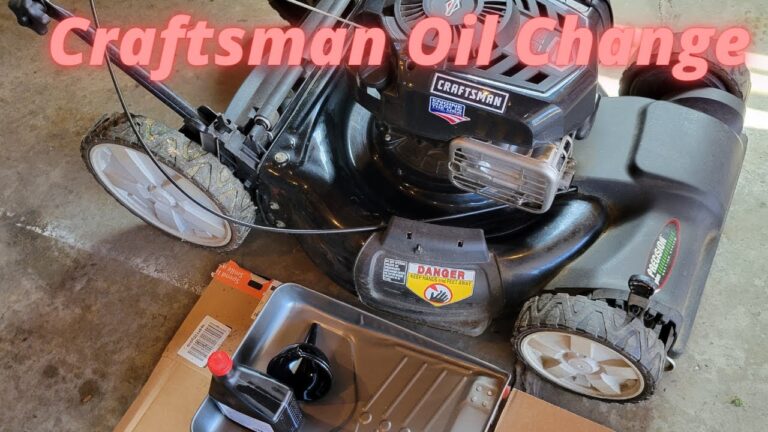
A standard gas push mower weighs 60–90 lbs. Add a self-propelled drive system and the weight climbs another 10–15 lbs. The Toro Recycler 22 with a Honda GCV engine, for example, comes in at 75 lbs — a typical figure for a mid-range self-propelled gas mower. (Toro model 20379 spec sheet)
Corded electric mowers tend to weigh less than gas mowers because they don’t require heavy engines or gas tanks. Most weigh between 30 and 60 pounds depending on deck size and motor power.
Battery-powered push mowers generally fall in the same 40–70 lb range as corded electrics. The battery pack adds some weight back, but nothing close to a gas engine and cast-iron components.
| Push Mower Type | Typical Weight | Example |
|---|---|---|
| Manual reel | 20–40 lbs | Scotts Classic 20″ (~22 lbs) |
| Corded electric | 30–60 lbs | Greenworks 21″ (~37 lbs) |
| Battery-powered | 40–70 lbs | EGO Power+ 21″ (~57 lbs) |
| Gas push | 60–90 lbs | Craftsman M105 (~70 lbs) |
| Gas self-propelled | 70–100 lbs | Toro Recycler 22 (~75 lbs) |
How Much Does a Riding Mower Weigh?

Credit: https://www.lowes.com/
Most riding lawn mowers weigh 300 to 1,200 pounds. Typical garden tractors usually weigh around 600 pounds. That range is wide because it covers everything from a compact rear-engine mower to a full garden tractor with a V-twin engine.
Two popular residential riding mowers show what real-world weights look like. The Husqvarna YTH18542 with a 42-inch deck weighs 419 lbs. (Husqvarna YTH18542 spec sheet) The John Deere E130 with a 42-inch deck and 22 HP V-twin engine weighs approximately 440 lbs, or 199 kg per manufacturer data. (LECTURA Specs, 2026)
Rear-engine riding mowers are lighter, typically running 300–450 pounds, with most models around 350 pounds. They are fine for lawns up to an acre, but they lack the engine power and deck width of a full garden tractor.
| Riding Mower Type | Typical Weight | Example |
|---|---|---|
| Rear-engine rider | 300–450 lbs | Cub Cadet CC30H (~340 lbs) |
| Garden tractor (42″ deck) | 400–550 lbs | Husqvarna YTH18542 (419 lbs) |
| Garden tractor (48–54″ deck) | 500–650 lbs | John Deere E130 (~440 lbs) |
| Full garden tractor | 550–1,200 lbs | John Deere X590 (~600+ lbs) |
How Much Does a Zero-Turn Mower Weigh?
Zero-turn mowers are some of the heaviest lawn mowers around. They usually weigh 600 to 1,900 pounds. A commercial model with a 60-inch deck can easily weigh over 1,200 pounds.
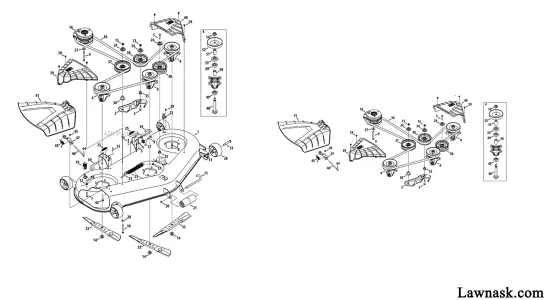
The weight difference between residential and commercial zero-turns is large. Home-use zero-turns with a smaller 42-inch deck are lighter, usually around 600 to 700 pounds. Commercial zero-turns use thicker steel, sturdier frames, and heavier spindle assemblies to cope with long and intensive work.
An average zero-turn mower weighs around 650 pounds. Premium zero-turn mowers tip the scales at around 900 pounds, while the heaviest models clock in at around 1,450 pounds.
| Zero-Turn Category | Typical Weight | Deck Size |
|---|---|---|
| Residential | 600–750 lbs | 42″–52″ |
| Prosumer / heavy residential | 750–950 lbs | 52″–60″ |
| Commercial | 950–1,400 lbs | 60″–72″ |
| Heavy commercial | 1,400–1,900 lbs | 72″+ |
What Makes a Lawn Mower Heavier?
Four factors drive most of the weight difference between mowers:
Deck size and material. A 42-inch stamped steel deck weighs far less than a 60-inch fabricated steel commercial deck. Bigger decks require more steel and heavier spindle assemblies.
Engine type and displacement. A single-cylinder Briggs & Stratton 540cc engine is lighter than a Kawasaki FR series V-twin with twice the displacement. Gas engines are also heavier than battery packs of comparable output.
Drive system. A hydrostatic transaxle on a riding mower adds significant weight compared to a simple gear drive. Zero-turn mowers use dual hydraulic wheel motors, which push weight up further.
Frame construction. Commercial machines use thicker steel and sturdier frames for durability under all-day work, which significantly increases overall weight. A residential mower uses thinner gauge steel throughout.
How Mower Weight Affects Your Lawn and Trailer
Heavy mowers and wet soil are a bad combination. When riding mowers or large zero-turn mowers pass over the same spot repeatedly, their weight compresses the soil and squeezes out air pockets. Compacted soil means grass roots can’t grow deep, water and fertilizer run off instead of soaking in, and the lawn becomes weaker and more vulnerable to drought and disease.
On the transport side, the numbers matter. Standard aluminum ramps are often rated for 600–800 lbs total, so always check the rating before driving a riding mower up. If you store your mower in a wooden shed, make sure the floor joists can handle a concentrated 500-plus pound load in a small footprint.
A residential zero-turn at 700 lbs plus a two-axle trailer at 1,000 lbs is already 1,700 lbs of towed weight before you factor in any additional equipment.
Frequently Asked Questions
How much does a standard gas push mower weigh?
A gas push mower typically weighs 60–90 lbs. Self-propelled models with a drive system add another 10–15 lbs. A 22-inch deck gas mower like the Toro Recycler with a Honda GCV engine weighs around 75 lbs.
How much does a riding lawn mower weigh?
Most residential riding mowers weigh 300–600 lbs. A popular mid-range model like the Husqvarna YTH18542 with a 42-inch deck weighs 419 lbs. Full garden tractors with larger decks can reach 600 lbs or more.
How much does a zero-turn mower weigh?
Residential zero-turns typically weigh 600–750 lbs with a 42–52-inch deck. Commercial models with 60-inch or larger fabricated steel decks regularly exceed 1,000 lbs, and the heaviest commercial units reach 1,900 lbs.
Can a heavy lawn mower damage my lawn?
Yes, if you mow on soft or wet ground. A riding mower or zero-turn used repeatedly on the same wet paths compacts the soil, restricts root growth, and leaves ruts. Mow when the ground is dry and vary your path each session to spread the load.
How much does a battery-powered push mower weigh?
Most battery-powered push mowers weigh 40–70 lbs. They are heavier than corded electric mowers because of the battery pack, but still lighter than comparable gas models by 20–30 lbs in many cases.
What is the lightest type of lawn mower?
A manual reel mower is the lightest option, typically 20–40 lbs. It has no engine, no battery, and no fuel. The trade-off is limited capability — reel mowers work best on flat, well-maintained yards under a quarter acre.