How Long Do Lawn Mower Batteries Last? Lifespan and Runtime Explained (2025)

TL;DR
- Lithium-ion lawn mower batteries last 3-5 years or 300-500 charge cycles under normal use (Battery University, 2023)
- Runtime per charge is 30-60 minutes for push mowers and 60-90 minutes for larger riding models, depending on voltage and amp-hour rating
- Heat, deep discharge, and long-term storage with a dead charge are the three fastest ways to shorten battery life
- Lead-acid batteries in older or budget riding mowers typically last 2-4 years and cost more to maintain
- You can extend battery life significantly by storing at 40-80% charge and keeping the battery out of direct sun
How Long Does a Lawn Mower Battery Last Before It Needs Replacing?

Credit: https://www.canadiantire.ca/
A lithium-ion lawn mower battery typically lasts 3-5 years or 300-500 full charge cycles, whichever comes first (Battery University, 2023). For most homeowners mowing once a week through a 30-week season, that works out to roughly 5-7 years of real-world use before capacity drops noticeably.
The number you’ll actually feel is capacity fade. After 300-500 cycles, a battery that once ran 60 minutes may only deliver 40-45 minutes. The battery isn’t dead, but it’s no longer doing the job it was bought to do.
Lead-acid batteries, still found in some older riding mowers and budget sit-down models, have a shorter window: 2-4 years under typical residential use (Interstate Batteries, 2024). They’re also heavier, slower to charge, and more sensitive to deep discharge than lithium-ion.
How Long Does a Lawn Mower Battery Last Per Charge?
Runtime per charge depends on three things: voltage, amp-hour (Ah) rating, and the work the mower is doing.
| Mower Type | Typical Voltage | Amp-Hour Range | Expected Runtime |
|---|---|---|---|
| Push mower (small yard) | 40V | 2.0-4.0 Ah | 30-45 minutes |
| Self-propelled push mower | 40V-60V | 4.0-7.5 Ah | 45-75 minutes |
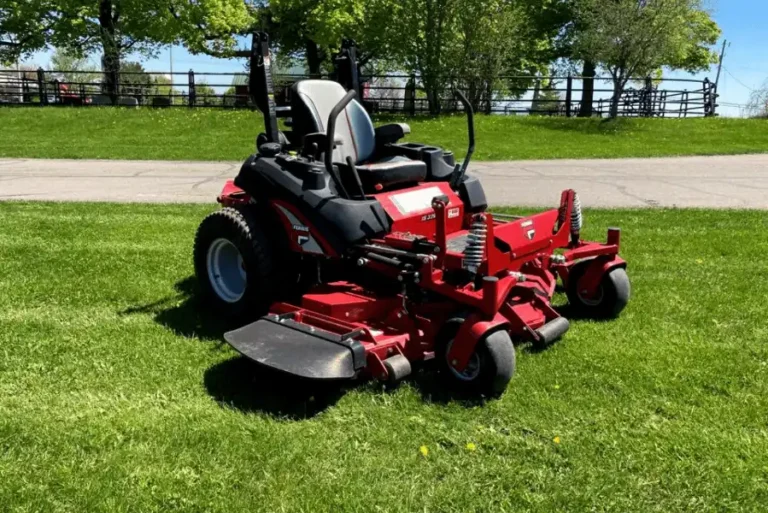
| Riding mower / zero-turn | 48V-82V | 10-15 Ah | 60-90 minutes |
| Commercial battery rider | 82V+ | 15+ Ah | 90+ minutes |
A 40V / 4.0 Ah battery running a push mower in flat, dry grass will hold close to its rated runtime. That same battery cutting thick, wet, late-summer grass on a warm day will drain 20-30% faster. Voltage drop under load is real, and no manufacturer’s runtime claim accounts for worst-case conditions.
If you have a half-acre or more, a single battery charge is unlikely to cover the whole yard on a push mower. Most homeowners with yards that size buy a second battery and swap mid-mow.
What Shortens a Lawn Mower Battery’s Lifespan

Credit: https://www.walmart.com/
Several things shorten lithium-ion battery life faster than normal cycling.
Storing the battery fully discharged is the single worst thing you can do. Lithium-ion cells that sit at or near zero charge for weeks degrade at the cell level and may never recover full capacity. Always store at 40-80% charge.
Heat is the other major killer. Leaving a battery in a hot shed or car trunk during summer pushes internal cell temperatures high enough to accelerate chemical aging. Manufacturers like EGO and Greenworks specify storage between 50°F and 80°F for a reason (EGO Power+, 2024).
Partial charging is fine. The old advice about fully cycling nickel-cadmium batteries does not apply to lithium-ion. Charging from 30% to 80% is actually easier on the cells than running from 100% to empty every time.
How to Tell When a Lawn Mower Battery Is Failing
A battery on its way out gives clear signals before it quits entirely.
Runtime drops noticeably below what it used to be, even with a full charge. The mower may start cutting out under load, particularly on inclines or through thicker grass, because the battery can’t sustain voltage under stress. Some battery packs will show a fault indicator light or refuse to charge past a certain point.
If runtime has dropped more than 30-40% from original, the battery has reached the end of its useful life for full-yard work. At that point, replacement is more practical than continuing to mow in two or three partial charges.
Battery Replacement Cost vs. Buying a New Mower
Replacement batteries for 40V-60V push mowers typically run $80-$200 depending on amp-hour rating and brand (Home Depot, 2025). For 48V-82V riding mower battery packs, costs can run $300-$600 or more.
| Battery Type | Replacement Cost Range | Where to Buy |
|---|---|---|
| 40V push mower (2.0-4.0 Ah) | $80-$120 | Brand website, Home Depot, Lowe’s |
| 40V-60V push mower (5.0-7.5 Ah) | $130-$200 | Brand website, Home Depot, Lowe’s |
| 48V+ riding mower pack | $300-$600+ | Brand dealer or website |
One thing worth knowing: most major brands use proprietary battery platforms. An EGO battery won’t fit a Greenworks mower and vice versa. If the battery dies and the mower is otherwise fine, replacing just the battery is the right call. If the mower itself is also aging, that’s when it makes sense to price out a new unit and factor in whether the new battery platform transfers to other tools in your yard equipment lineup.
How to Make a Lawn Mower Battery Last Longer
These habits extend lithium-ion battery life without any special equipment.
- Store the battery at 40-80% charge, especially over winter. A full charge sitting for months is harder on cells than a partial charge.
- Keep the battery out of temperature extremes. A cool, dry garage shelf beats a hot shed or a car trunk every time.
- Charge the battery before storing for the season, but not to 100%. Most battery chargers for name-brand mowers stop automatically; disconnect once green.
- Clean the battery contacts once a season with a dry cloth. Dirt and moisture on the terminals cause resistance, which generates heat during charging.
- Avoid leaving a depleted battery sitting for days before charging. Recharge within a day or two of use, especially if the pack ran fully down.
Frequently Asked Questions
How long do lawn mower batteries last per charge?
Runtime per charge runs 30-45 minutes for a push mower with a standard 40V / 2.0-4.0 Ah battery, and up to 90 minutes for a high-voltage riding model with a large pack. Wet grass, hills, and high heat all reduce that estimate by 20-30%.
How many years does a lawn mower battery last?
A lithium-ion battery in a residential push or self-propelled mower lasts 3-5 years under normal use, or 300-500 charge cycles (Battery University, 2023). Homeowners who mow once a week through a 30-week season often get closer to 5-7 years before noticing real capacity loss.
Can you leave a lawn mower battery on the charger overnight?
Most modern lithium-ion chargers cut off automatically when the pack is full, so occasional overnight charging won’t cause immediate damage. That said, leaving any battery on a charger for days at a time does generate low-level heat and puts minor stress on cells over time. Unplug once the charge indicator turns green.
What happens if you leave a lawn mower battery in the cold?
Cold temperatures slow the chemical reactions inside lithium-ion cells, which temporarily reduces available capacity. A battery stored in a 20°F garage will feel weaker on a cold morning but usually recovers once it warms up. Permanent damage from cold is rare unless the battery is charged while still frozen, which can cause internal damage to the cells.
Is it worth replacing a lawn mower battery or buying a new mower?
If the mower itself is in good shape, replacing the battery is worth it. A new 40V battery costs $80-$200, which is far less than a new mower. The exception is when the mower and battery are both aging, or when the replacement battery costs more than half the price of a comparable new mower that comes with a fresh battery and updated features.
How do you store a lawn mower battery for winter?
Remove the battery from the mower and store it indoors at 40-80% charge in a space that stays between 50°F and 80°F. Do not store it fully charged or fully depleted. Check the charge once mid-winter and top it to 50-60% if it has drained below 30%.